The Politics, They Are A’Changing
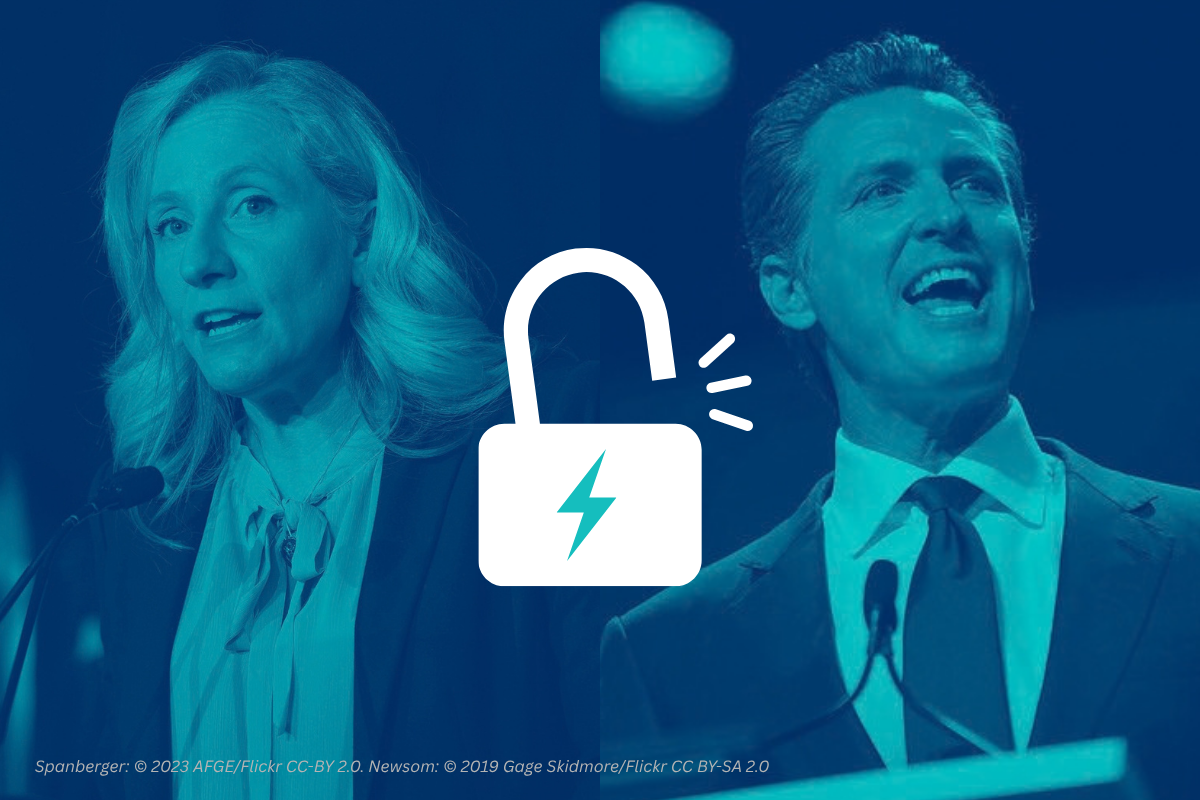
Voters in Virginia and California asked for lower bills and a smarter grid. Last week, both states took major steps towards delivering, demonstrating why clean energy needs to invest in political power like it invests in technology.
Welcome to The Grid Unlock, where we focus on the tangible steps we can take to overcome the bottlenecks and barriers to transforming our energy system. Subscribe today and join a community of energy leaders and advocates focused on turning "gridlock" into The Grid Unlock.
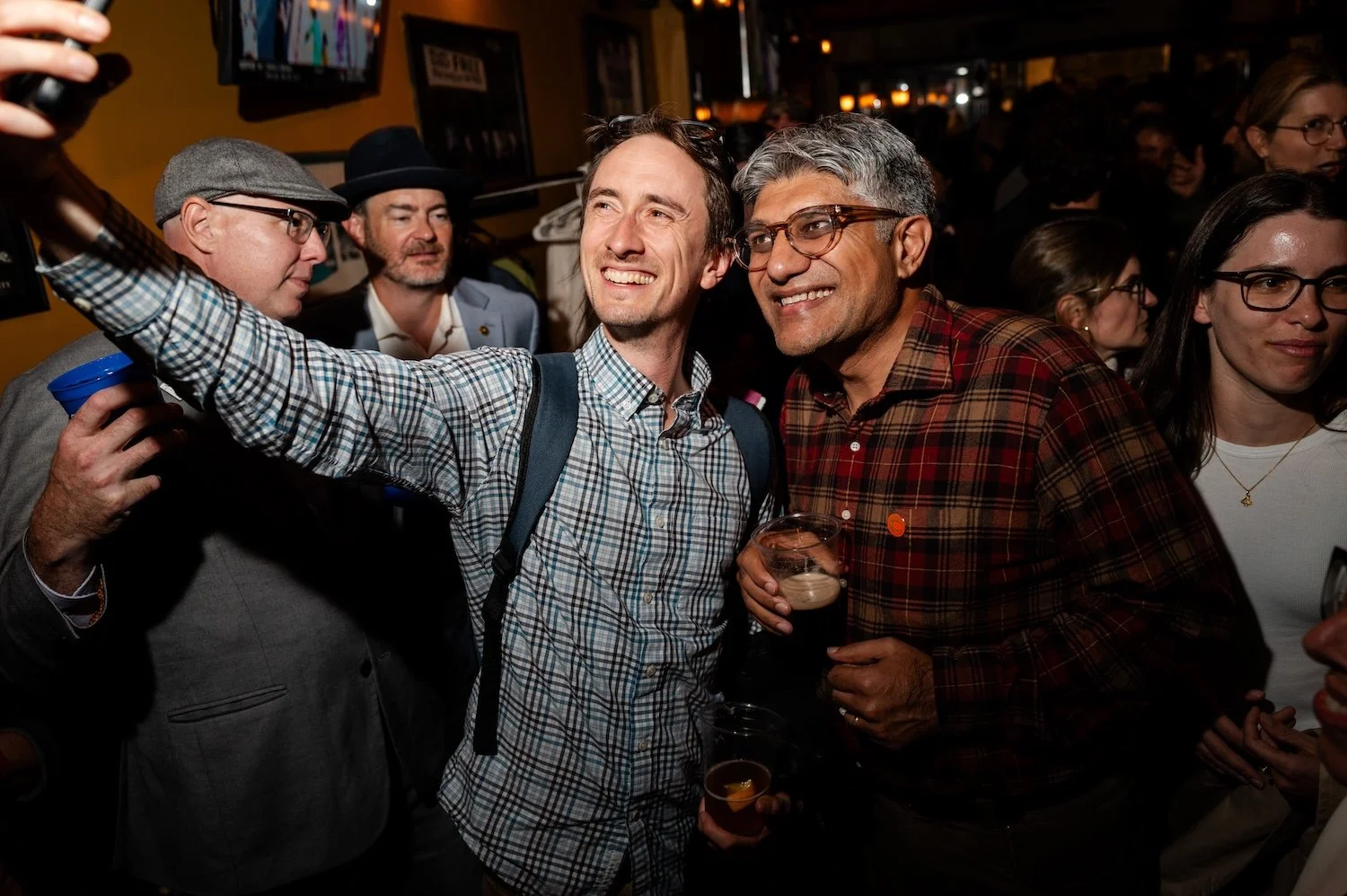
By the way, this is the first edition since Climate Week. We loved seeing so many of you at Jigar’s birthday party and around Manhattan. A big thanks to everyone who stopped by to celebrate with us!
🔑 Key insight: Voters asked. Two states delivered.
California
In May, voters told Sacramento what they wanted. In June, bills were still working their way through the legislature. Last week, two that we’ve been watching closely became law.
On September 30, Gov. Gavin Newsom signed SB 905 and SB 913, both authored by Sen. Josh Becker. SB 905 makes utilities show how well they're using the grid we've already paid for, helps identify where new grid investments are most helpful, and reins in utility spending. SB 913 lets customer-owned batteries, EVs, and smart thermostats compete to keep the lights on at the lowest cost.
None of this was guaranteed, especially with an outgoing governor with higher political aspirations. Newsom vetoed three virtual power plant bills last year, and California's big utilities fought hard against limits on their spending and profits. Even Sen. Becker admitted he and his team were "kind of shocked that he signed both bills."
So what changed? Our founding advisory chair Jigar Shah put it plainly: "For too long, the clean energy industry has assumed that having the better idea—and friends in office—was enough. It isn't.” He added that wins like these show “what is possible when our industry invests in political execution with the same seriousness that it invests in technology and policy.”
Virginia
A day later, Gov. Abigail Spanberger unveiled the 2026 Virginia Energy Plan, a clean-first, least-cost blueprint for the data center capital of the world.
The plan ensures the Commonwealth gets more out of the existing grid, makes customers part of the solution, and makes data centers pay their own way. It also does something rare: it shows its math. Using advanced planning software, it models four pathways for Virginia’s large utilities to reach net-zero carbon by 2050 while meeting 85% growth in demand. As Jospehus Allmond (Spanberger’s chief energy officer) said, “There’s been a lot of speculation that our clean energy laws are too ambitious or out of reach. This modeling should put that notion to bed.”
Deploy Action was proud to partner with the Spanberger administration as these ideas took shape.
The plan comes on the heels of another major accomplishment from her administration: the state’s Data Center Accountability Framework. The framework gives other states a roadmap for managing large-load growth responsibly: keep costs in check, build in flexibility, put clean energy first, and secure strong labor standards and good wages wherever they can. An accompanying executive order takes initial steps to implement these steps in Virginia.
As our executive director Arnab Pal said on a recent episode of Energy Empire, Virginia is the first state to try to make data centers work for communities, not just corporations. “It's a huge accomplishment,” he said. “Kudos to Governor Spanberger. Kudos to her team. I hope other states follow.”
📊 Spotlight: What voters told us
Deploy Action and Deploy Action Labs polling with Embold Research found strong, bipartisan support in both states for exactly these types of ideas:
California (See the full California polling from April →)
86% said they want utilities to prove they're using the existing grid efficiently before building more. Now law, SB 905 requires utilities to measure and publicly report how well they're using the grid, a first step toward finding where cheaper options can replace costly upgrades. (By the way, it mirrors many of the same core principles as a grid utilization bill passed in VA earlier this year.)
80% said they want local resources like batteries and solar to compete with utilities. SB 913 directs the CPUC and CAISO to measure and pay for the grid value of customer-owned batteries, EVs, and smart thermostats.
Virginia (See the full Virginia polling from August →)
9 in 10 want data centers to pay the full cost of new energy infrastructure. Spanberger’s plan makes sure data centers pay their way and pull their weight. Under it, large loads cover their incremental costs, meet a 10% peak flexibility target, and can bring their own clean capacity without penalty.
78% (including 75% of Republicans) want utilities to get the most out of the existing grid first. Building new poles and wires shouldn't be the default when better use of existing lines can do the job faster and for less. The plan requires transparent consideration of advanced transmission technologies (ATTs) and grid-enhancing technologies (GETs) before new supplemental transmission is approved.
👀 What else we’re paying attention to
We’re hiring!
Want to help accelerate an affordable, reliable clean energy future? Deploy Action is looking for a Communications and Digital Associate to build and power our communications engine. If you're a strong writer with a creative streak — someone who can jump from a punchy Instagram post to a strategic pitch to a persuasive backgrounder in the same afternoon — we want to hear from you. Get the full job description →
Governor Spanberger will join Jamie Nolan and Jigar Shah on Energy Empire
This week, on the heels of the release of her energy plan, Governor Spanberger will be at the Virginia Clean Energy Summit – which our sister organization, Deploy Action Labs, is sponsoring. Our friends at Energy Empire will be recording a live episode with the governor, diving deep on this "Clean-First, Least-Cost” path forward for the Commonwealth. If you can’t be there, the episode will be released on Monday, October 12.
Newsom clamps down on California data centers as voters turn against the industry from Katherine Ortiz at Cal Matters
Arnab Pal told CalMatters the new laws are a good step toward preventing data centers from harming consumers through utility rate increases or environmental damage. Still, Pal said, more can be done to ensure such projects actually benefit everyday people through advancements to the electrical grid and the acceleration of clean energy infrastructure. Read more →
“Here’s why your energy bills are going up,” from Julian Spector at Canary Media
“A blanket ban on data centers could minimize the costs that they impose on voters. But carefully crafted data center deals could tap the immense spending of the biggest AI companies for grid investment that benefits consumers.” Read more →
📥 Don’t miss the next edition
Our energy system is running on dial-up in a fiber-optic world. The Grid Unlock is the newsletter for people tired of the past-tense approach. We’re ditching doom-scrolling for a toolkit of solutions, highlighting the policies and people moving our energy infrastructure into the modern age.
Subscribe to hear about the leaders, advocates, and ideas finally clearing the path toward a modern, resilient energy future.