
Clean-First, Least-Cost: Here’s What’s In the New 2026 Virginia Energy Plan
The Virginia Energy Plan provides a commonsense, clean-first, least-cost approach to achieving the Commonwealth's energy objectives.
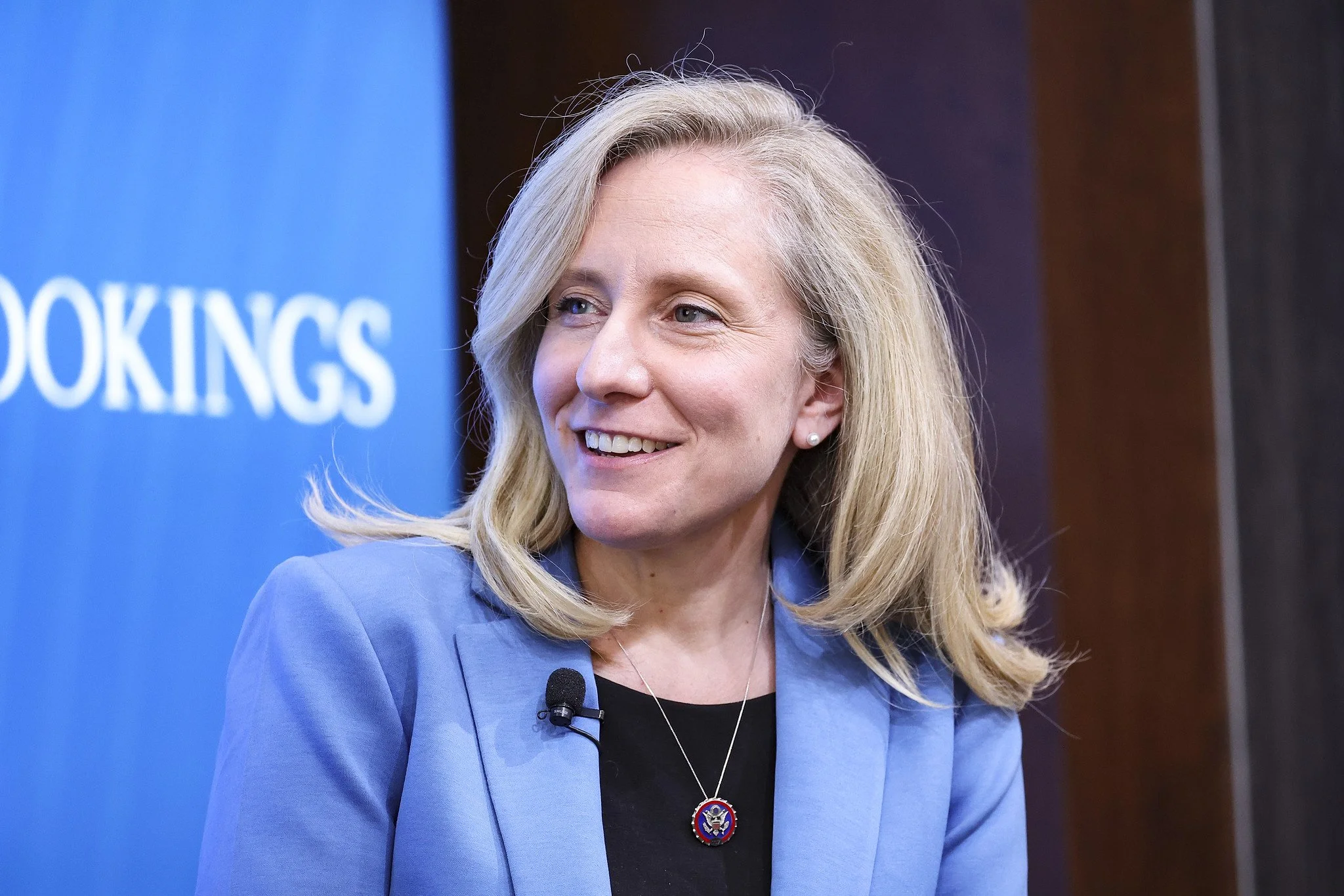
Photo © 2023 Brookings/Flickr CC BY-NC-ND 2.0
Virginia families are feeling the squeeze on energy bills. The new 2026 Virginia Energy Plan unveiled today by Gov. Abigail Spanberger offers a clear answer: before we build more, get more out of what ratepayers have already paid for, and make load flexibility from data centers work for Virginians.
This “clean-first, least-cost” approach pairs public input with modeling across multiple demand scenarios. That matters in the state that’s the data center capital of the world, where demand projections keep moving.
It was a privilege for us to partner with the Spanberger administration as these ideas took shape in the Plan:
Get more out of the existing grid
The plan requires transparent consideration of advanced transmission technologies (ATTs) and grid-enhancing technologies (GETs) before new supplemental transmission is approved, with shared-savings incentives for utilities to deploy them. Building new poles and wires shouldn't be the default when better use of existing lines can do the job faster and for less.
Make customers part of the solution
The plan models 10 GW of aggregated DERs and virtual power plants (VPPs) by 2045 to cut peak demand and costs for everyone. That includes rooftop solar, batteries, and virtual power plant (VPP) enrollment. When that happens, costs fall for everyone, not just participants.
Data centers pay their way and pull their weight
Large loads should cover their incremental costs, meet a 10% peak flexibility target, and be able to bring their own clean capacity without penalty. Their investment can also fund local DER and VPP deployments that lower bills for households and public facilities.
Communities share the upside
The plan encourages direct, transparent community engagement. It also looks for ways to channel private capital from data centers into high-value DER and VPP deployments that lower bills for households, businesses, and public facilities.
The plan doesn't set rates. The SCC, the General Assembly, and utility planning will decide whether these savings materialize. Deploy Action was happy to work with the governor to consider these ideas and is ready to help make them real.