What to Know: California's Down-to-the-Wire Energy Deals
A conversation with Phil Ting and Arnab Pal
Welcome to The Grid Unlock, where we focus on the tangible steps we can take to overcome the bottlenecks and barriers to transforming our energy system. Subscribe today and join a community of energy leaders and advocates focused on turning "gridlock" into The Grid Unlock.
This is a special interview edition laser-focused on the Golden State–because California's legislative session wrapped August 31 with a flurry of last-minute deals. Now that the dust has settled, we sat down and talked with Phil Ting and Arnab Pal to get an inside look at exactly what happened with two vital pieces of legislation that would advance clean energy and lower costs for Californians: SB 905 and the Demand Side Grid Support Program budget and trailer bill effort.
Here’s what they had to say.
⚡Let’s jump right in: What’s in SB 905 and why is it vital for California and electricity bills?
Arnab Pal: SB 905 basically follows a simple life principle, which is that you should get the most out of what you've already paid for. In a world where there's all this demand for new electricity and power, what we're saying is there's existing capacity, especially on the distribution system, that's not being used. And we need to invite and let technology help us use that existing capacity before we build a new power plant, whether it's solar or nuclear or a battery.
California residents are paying too much as is. We're bringing on these new customers with electric vehicles and data centers so if we minimize how much new infrastructure we have to build for each customer, then everyone's costs will go down.
Phil Ting: It's important to note that on any given day, we're only using about 50% of the existing grid. There's a lot of capacity that we've built because we've built it for the 10 or 20 hottest days of the year.
And we have existing technology today that is being used but is not being counted. And so a lot of it is the bureaucrats not willing to actually score what consumers are already doing and treat it like a power plant. And I think a lot of it is also just the resistance from the different utilities because they don't make any money off this. They don't get any benefit from this. And the only people who benefit are their ratepayers. And so for us, this is a way that we can at least hold the rates, electricity rates, electricity costs constant while leveraging existing technology that people already have in many instances in their homes or in their businesses.
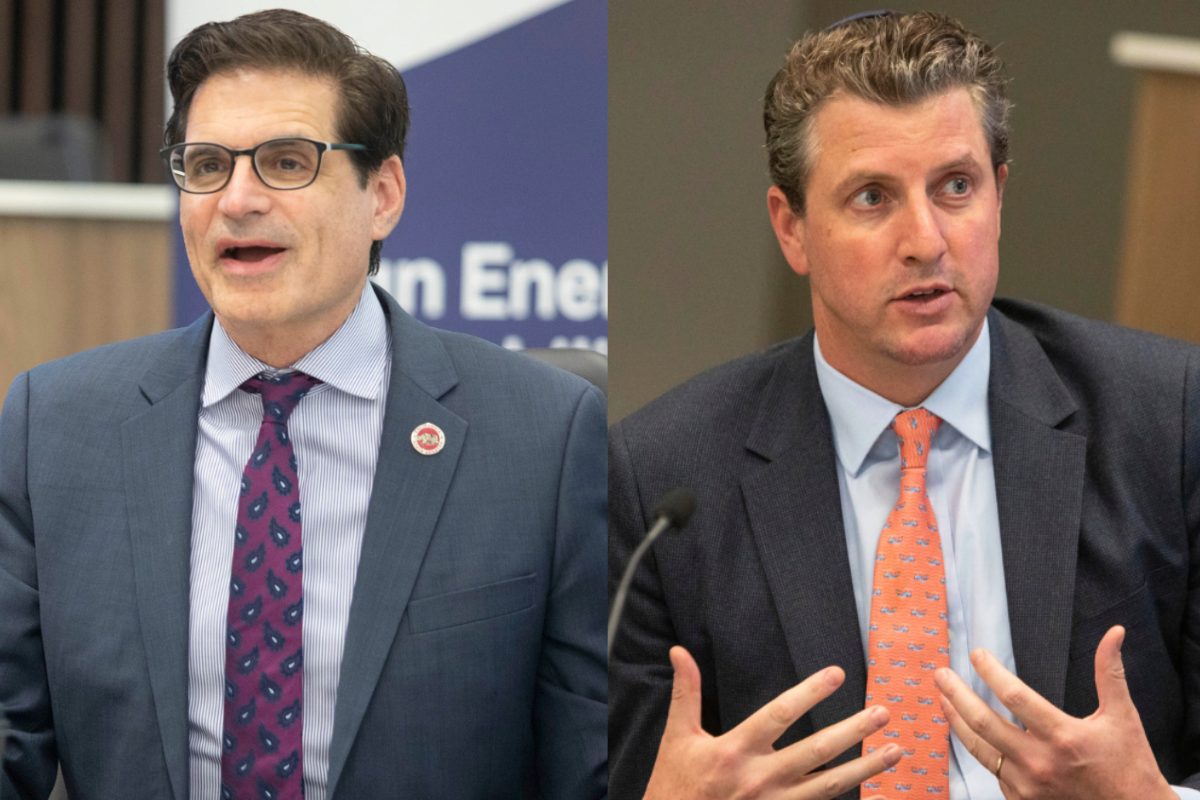
SB 905 was authored by Sen. Josh Becker (left) and co-sponsored by Sen. Henry Stern (right)
🔋California has created the largest virtual power plant in the world, a massive network of distributed energy sources people have in their homes, like EVs, solar arrays, batteries, smart thermostats etc. What is the significance of that? And why was passing the Demand Side Grid Support budget and trailer bill vital to saving it?
Arnab Pal: Look, anytime you build the biggest of something in the world, you should be proud of it, but especially when it's a virtual power plant. So as Phil and I were just talking about, a virtual power plant is the ultimate way to use more of existing infrastructure, right? It calls on batteries in people's homes and in commercial buildings and on the grid at certain times of the day when we need the most power and it provides that power instead of having to use a natural gas peaker plant. Or a virtual power plant can require people to turn down their thermostat at certain times of day, so they're not using power when we need it the most. So it's one of the best examples of using more of the existing infrastructure.
California has done a fantastic job through this Demand Side Grid Support Program at the California Energy Commission to turn this into real life. There's no reason why we wouldn't keep it going.
There's this misconception that this program is really only for rich people with batteries who get paid for those batteries. But the truth is, when a utility or a power provider doesn't have to build more peak capacity or build that gas power plant, we all benefit because we all pay less money on utility bills and we get cleaner power.
Phil Ting: The original argument against this program was, “Oh, we can't scale it. This is just one person, one household.” And as these programs have scaled, they're large enough now to actually be a virtual power plant. The problem is, if we built a power plant, that would get scored as a certain amount of energy–you know, a 30 gigawatt plant. But basically, because it's done through aggregating a number of consumers, the regulators are unwilling to really score this, to count this as real energy that we can rely on.
The next fight is really making sure that this technology gets acknowledged and scored into our energy supply scorecard properly, so that we don't have to build more infrastructure because that's how we're going to save people money.
Arnab Pal: We didn't get everything we wanted out of this, but we were able to save this program and get some funding tied through it earlier in the year through another program called DEBA that allows us to use the DSGS program.
And big shout out to both Phil and to Leah Stokes, who worked really hard in saving this amazing program and keeping it going. We're going to have another crack at it next year, and we're going to find a way to appropriate it with money so we can build more virtual power plants.
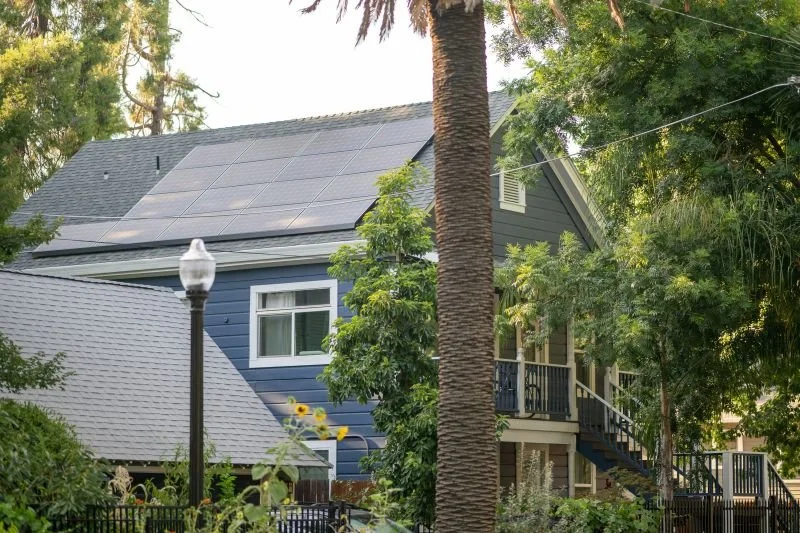
Continuing DSGS through 2028 could save Californians up to $206 million on their electricity bills.
📈 How do California voters feel about these types of legislative solutions?
Phil Ting: California voters, for the first time, have really made utility bills a major issue in politics. It's really never been the case before. It's very unique that voters–and now elected officials and people running for office–are talking about utility bills.
When you look at what issues should be prioritized, voters used to say education and public safety. We’ve seen housing rise over the last 10 years. Now you've seen affordability, but affordability in terms of rent as well as utility bills are now a major, major line item in what people are talking about.
Arnab Pal: The amount of support for these types of initiatives is almost understated because 80% of voters don't agree on anything. In polling Deploy Action Labs did earlier this year, it showed that 86% of voters wanted utilities to use more of their existing infrastructure. The crosstabs of that polling had more than 80% of both Republicans and Democrats agreeing on that.
Even in California, there just usually isn't that much agreement on these things. It's really important that the Newsom administration and our elected officials listen to something that 86% of Californians want. It's great to be working on something that has such widespread support.
Phil Ting: And they want the regulators to start fighting for them. Only 10% of voters in California were pleased with the job of the regulators–in particular, the California Public Utilities Commission, which is really in charge of the rates and the prices of the three major utilities in California.
How do we incentivize utilities to adopt more of this virtual power plant technology? Utilities are corporations. They need to make money. We want to figure out what we need to do to incentivize them to go adopt this technology. Because right now they don't really have much of an incentive to do it.
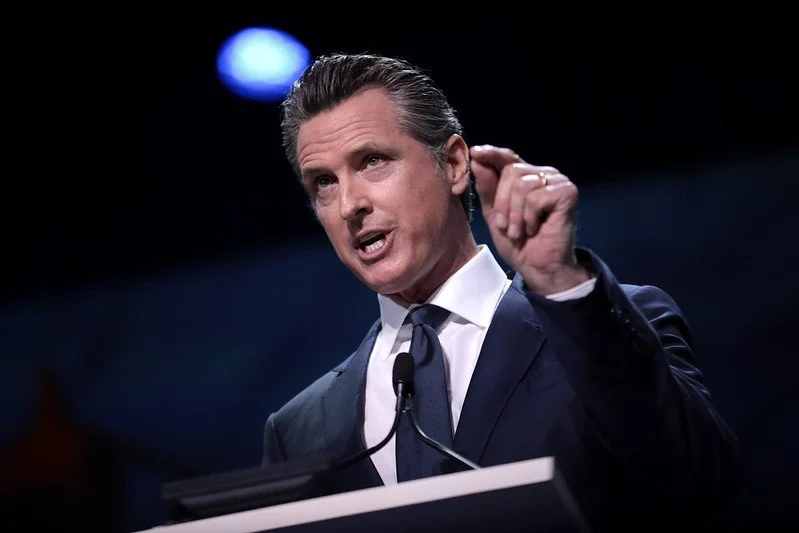
Governor Gavin Newsom (© 2019 Gage Skidmore/Flickr CC BY-SA 2.0)
⏰ Both of these bills landed in the final days before the August 31st legislative deadline. Is that timing typical for how energy bills get resolved in Sacramento?
Phil Ting: For the last few years, for whatever reason, a lot of energy policy has been left for the last minute. Typically, you have bills that get introduced in February and start being heard in March. In California, it's a linear process.
But the governor of California doesn't have the ability to introduce a bill. So Newsom has to float ideas or put them into budget trailer bills. And what we saw this year is that he put his idea into a budget trailer bill to kill DSGS. At Deploy, we saw that very early on this year, and we spent a lot of the year advocating to make sure that that bill was not approved, so that DSGS could continue in its current form.
Normally, deals do come together at the last minute after hours and hours and weeks or months of discussion and negotiation. It was very odd to not see a wildfire deal come together after there's been so much discussion and after we had pretty horrific wildfires in Southern California two years ago.
What was even odder was there was a three party deal announced and then one of the parties seemed to have pulled out. Many times the governor's agenda does not go through a bill because that's what the legislators introduce. And so many times you see items that he's pushing come to a deadline. So that’s why things came to a head at the very end.
Arnab Pal: Even as we're working on these deals to the end of the year, everything isn't done in a vacuum. It's not always about this year.
With DSGS, we really wanted to keep that program alive. It didn't get all the funding that it needed. But now we're in a position where next year with a new governor, we have an easy way to potentially fund this program for the next couple of years.
“If [DSGS] had been killed and moved into the California Public Utilities Commission, it would have been very difficult to resuscitate it. It’s much easier to get the program some more money instead of having to start a program up from scratch again. And so it’s a big win.”
Whereas if Governor Newsom had gotten what he wanted and eliminated the program, it would have been much more difficult to create a new program from scratch. We look at these deals often not just in terms of what we did this year, but what we're going to do in the next couple of years.
Phil Ting: What Arnab said is absolutely right. If the program had been killed and moved into the California Public Utilities Commission, it would have been very difficult to resuscitate it. It's much easier to get the program some more money instead of having to start a program up from scratch again. And so it's a big win. It's not everything that we wanted. We obviously would have liked to have this program plus money, but we will live to fight another day and we have a new governor coming in in January.
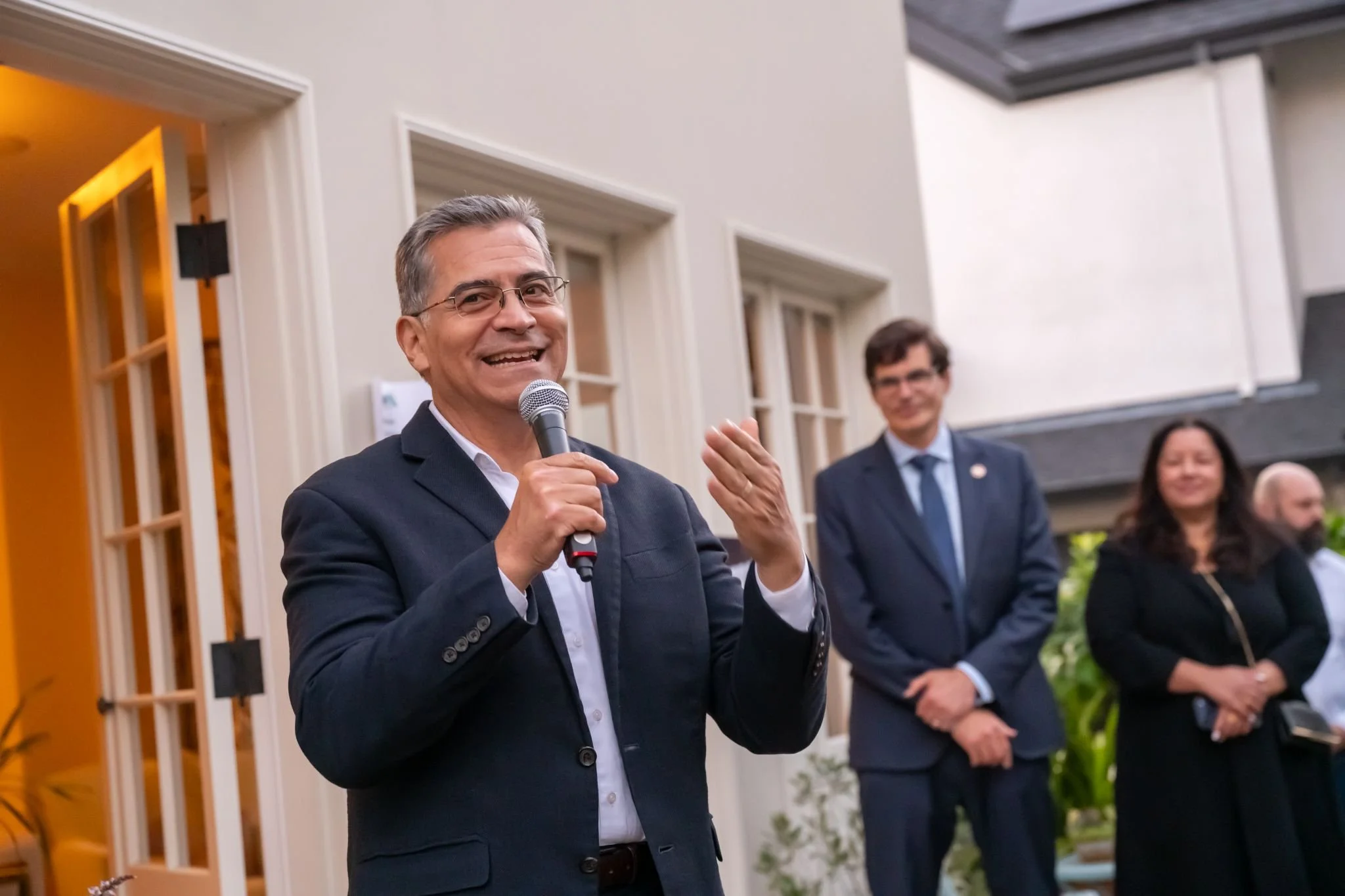
Gubernatorial candidate Xavier Becerra at a clean energy community event, with Sen. Josh Becker in the background
✍️ What comes next? What do you expect to happen now that these bills are on Governor Newsom's desk?
Phil Ting: Well, we're going to hope they get signed. We got a bill to his desk last year that unfortunately got vetoed. We took many of his concerns and addressed them.
This is common sense legislation that helps keep people's utility bills affordable, leverages existing technology–much of which has been developed in California, which is why we're so proud of it.
People really don't understand exactly what virtual power plants are. They leverage consumers' behavior. One example of a virtual power plant is a Flex Alert. When the state faced blackouts a number of years ago, getting people to go to movie theaters, go to the library, turn off their electricity, not use their power–it worked.
And so if that works, why aren't the regulators, why aren't the bureaucrats really acknowledging it and saying that this works? Because this is the tool that we use when we need to stave off a blackout.
Arnab Pal: You're going to hear that the utilities–especially on SB 905–oppose this. And you're going to hear the argument that, “Well, we can't deal with this until we deal with the wildfire liability issue.” I would say that we can do two things at once. We can walk and chew gum.
The wildfire liability issue is really about who pays. It's not so much about how much we pay, right? And what we're doing here with 905, especially on this utilization piece, is we are changing how much people pay. They're going to pay less.
Regardless of what happens with wildfire, we need to figure out how to shrink the overall costs and not just focus on who pays for the costs. This is an opportunity to do that.
We hope Governor Newsom signs this bill. It's common sense. Governor Spanberger signed a very similar bill in Virginia. There are numerous other states that are looking at utilization from Colorado to Michigan, Pennsylvania.
In Virginia, the utilization bill passed 99 to 0 out of the House of Delegates. It's not a Democrat thing. It's not a Republican thing. We urge the governor to do the right thing and bring down costs for everyone.