
Policy Brief: SB 905 Advances Out of Assembly Appropriations
Summary of the Bill as Amended August 17, 2026
Deploy Action commends the Assembly Committee on Appropriations, and Chair Buffy Wicks, for advancing SB 905 (Becker) out of committee on August 13, 2026, on an 11-3 vote, with amendment. SB 905 leads with verification before construction: before ratepayers are charged to build more, utilities have to show how much of the grid Californians already paid for is actually being used, and whether the need can be met at lower cost (Section 3). The bill pairs that with a lower authorized return on the categories of investment whose costs utilities recover most easily (Section 1), and with a search for financing cheaper than shareholder equity (Section 2).
Together the three tie utility accountability and performance directly to electricity affordability, supporting credibility before more investment, and new investment only where needed.
Summary of SB 905 (as amended)
Section 1 (Public Utilities Code § 451.11), reducing utility profits on lower-risk investments: Utilities should not earn a premium return for taking less risk. The California Public Utilities Commission must consider cutting the authorized return on equity, applied each year against the current authorized rate, for three categories of rate-base capital: costs recovered through a balancing or memorandum account, costs exempted from reasonableness review, and undergrounding. The commission must explain its reasoning in writing, and may decline where a reduction would not be just and reasonable.
Section 2 (§ 701.11), exploring lower-cost financing options: Shareholder equity is the most expensive way to fund the grid. The commission must open a rulemaking on financing approaches that cost ratepayers less, set the categories every utility has to evaluate, and require each one to surface its most cost-effective options. A report to the Legislature is due by December 31, 2028.
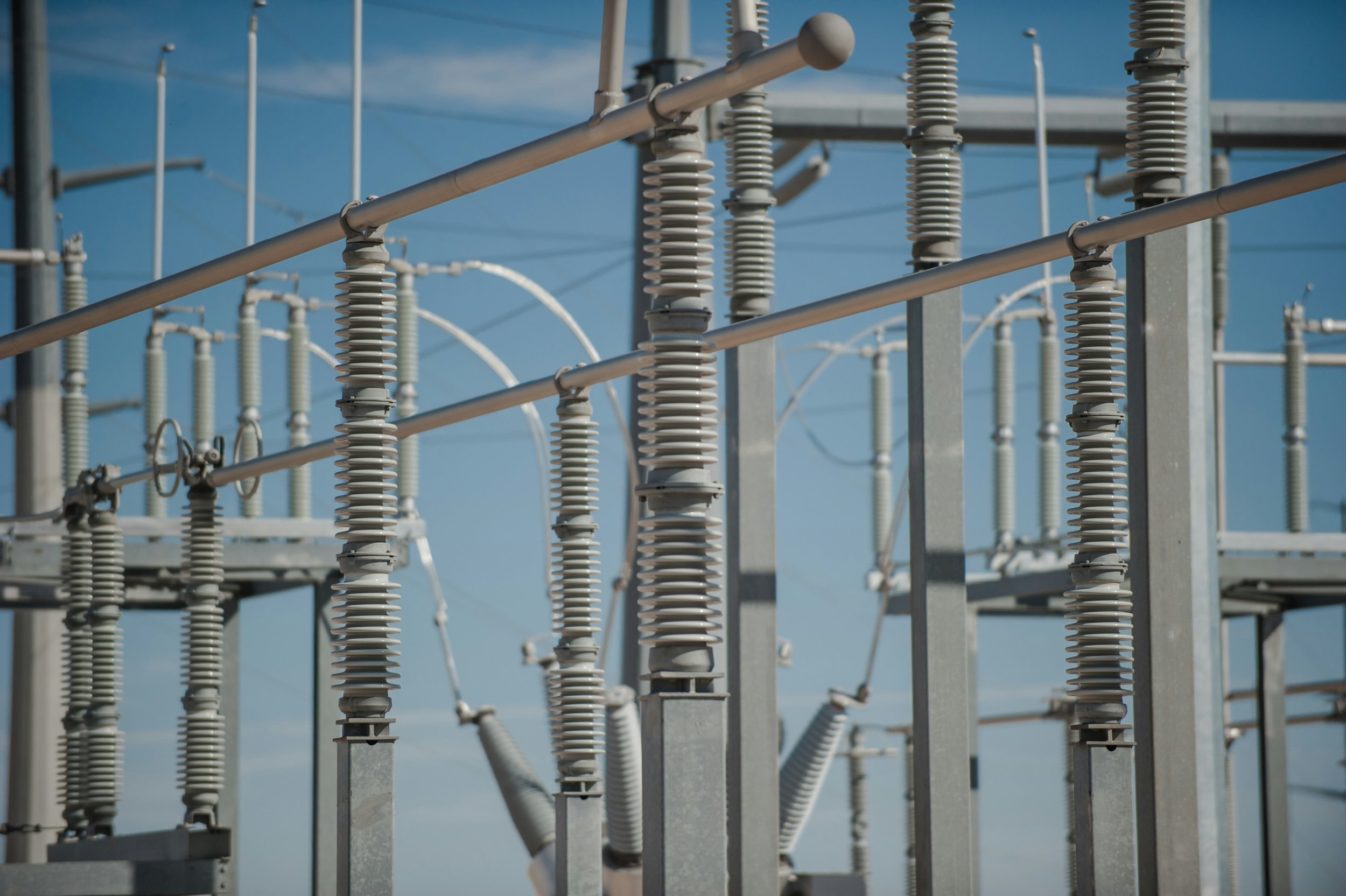
Section 3 (§ 769.1), maximizing use of existing grid infrastructure: Prove the grid is full before building more. Each large utility must publish capacity utilization, peak utilization, off-peak load-hosting capacity, and the location of constrained areas at a detailed level third parties can verify. The commission is to consider a target and timeline for increasing utilization, and utilities must test in distribution planning whether load flexibility and distribution-connected storage can meet future grid needs at a lower cost than building new wires.
The one substantive change in committee was the removal of the bill’s previous Section 1, proposed Public Utilities Code § 399.10, which carried a CPUC performance metrics framework covering reliability, utilization, wildfire prevention, emissions, spending, and energization speed, and a requirement that a portion of certain executive compensation be contingent on keeping the average cost of electricity low. While Deploy Action is disappointed by the removal of this provision, which sought to align utility incentives with performance to deliver on affordability, we are encouraged that the bill remains a strong step forward for lowering energy costs for all Californians.
SB 905 now heads to the Assembly floor. Deploy Action is proud to support SB 905 and will continue to urge the full Assembly to pass the bill and Governor Newsom to sign it.