
New Polling: California Voters Want Decisive Action to Bring Electricity Costs Down
California lawmakers can deliver on what voters want with legislation that’s on the table right now.
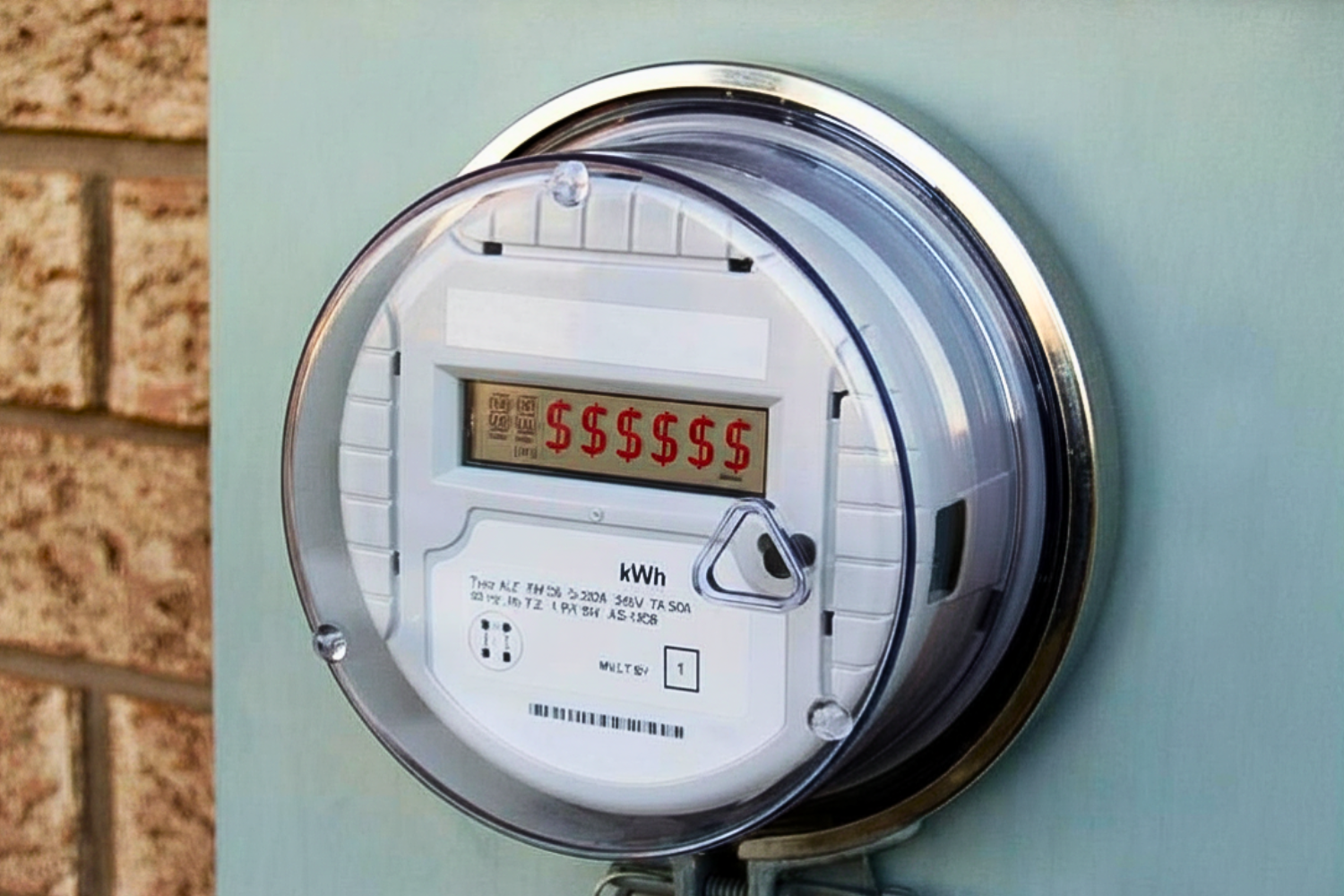
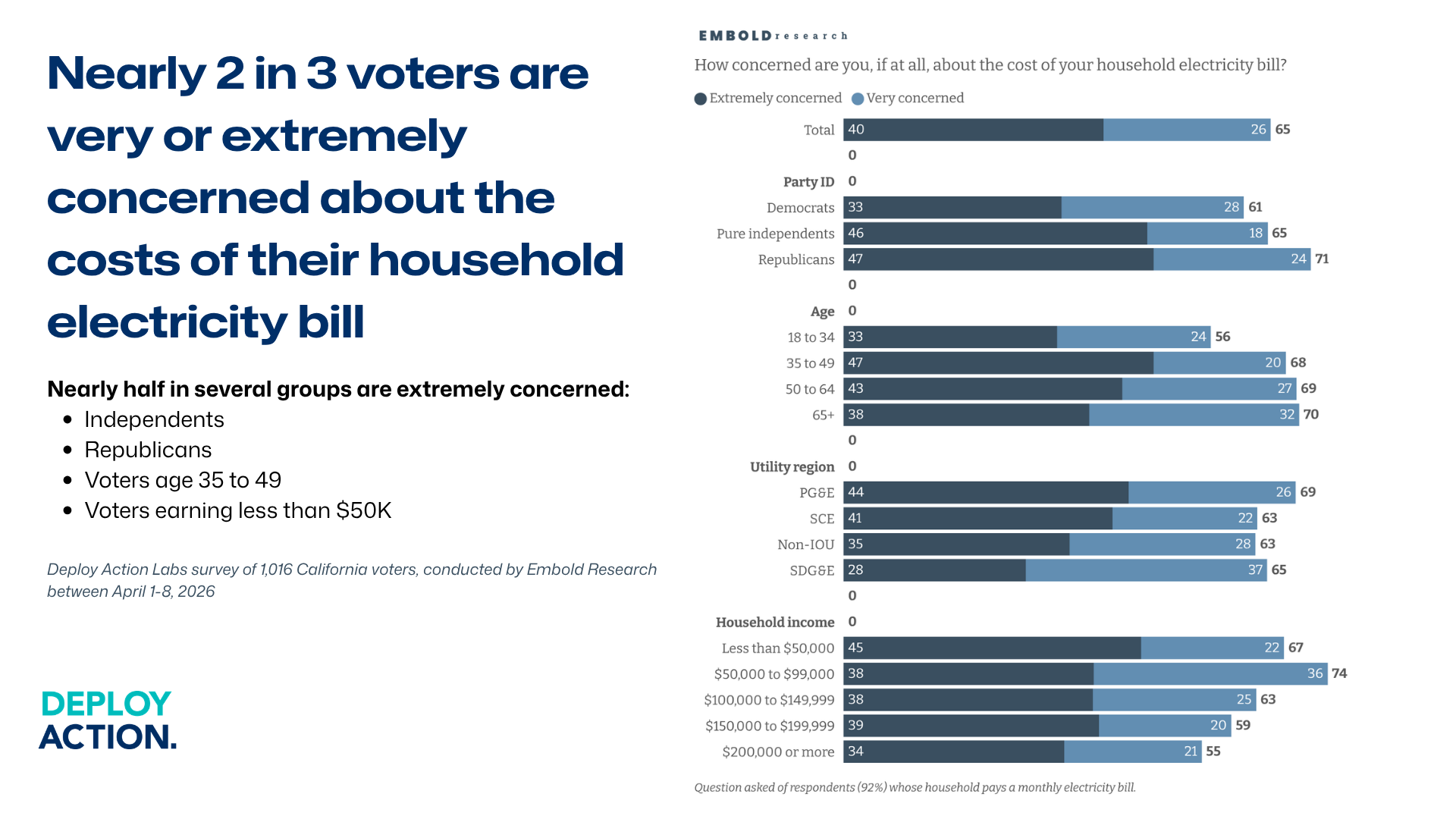
Power bills in California skyrocketed nearly 50 percent between 2021 and 2025. And voters aren’t just frustrated by rising costs. They want solutions, now.
A new Embold Research survey (commissioned by Deploy Action Labs) of 1,016 California registered voters finds a clear and bipartisan demand for lower electricity bills, stronger utility accountability, and more efficient use of the existing grid.
Key findings from the polling
Voters want electricity affordability to be a priority. More than eight in ten voters (83%) say reducing electricity bills should be a top or important priority for lawmakers.
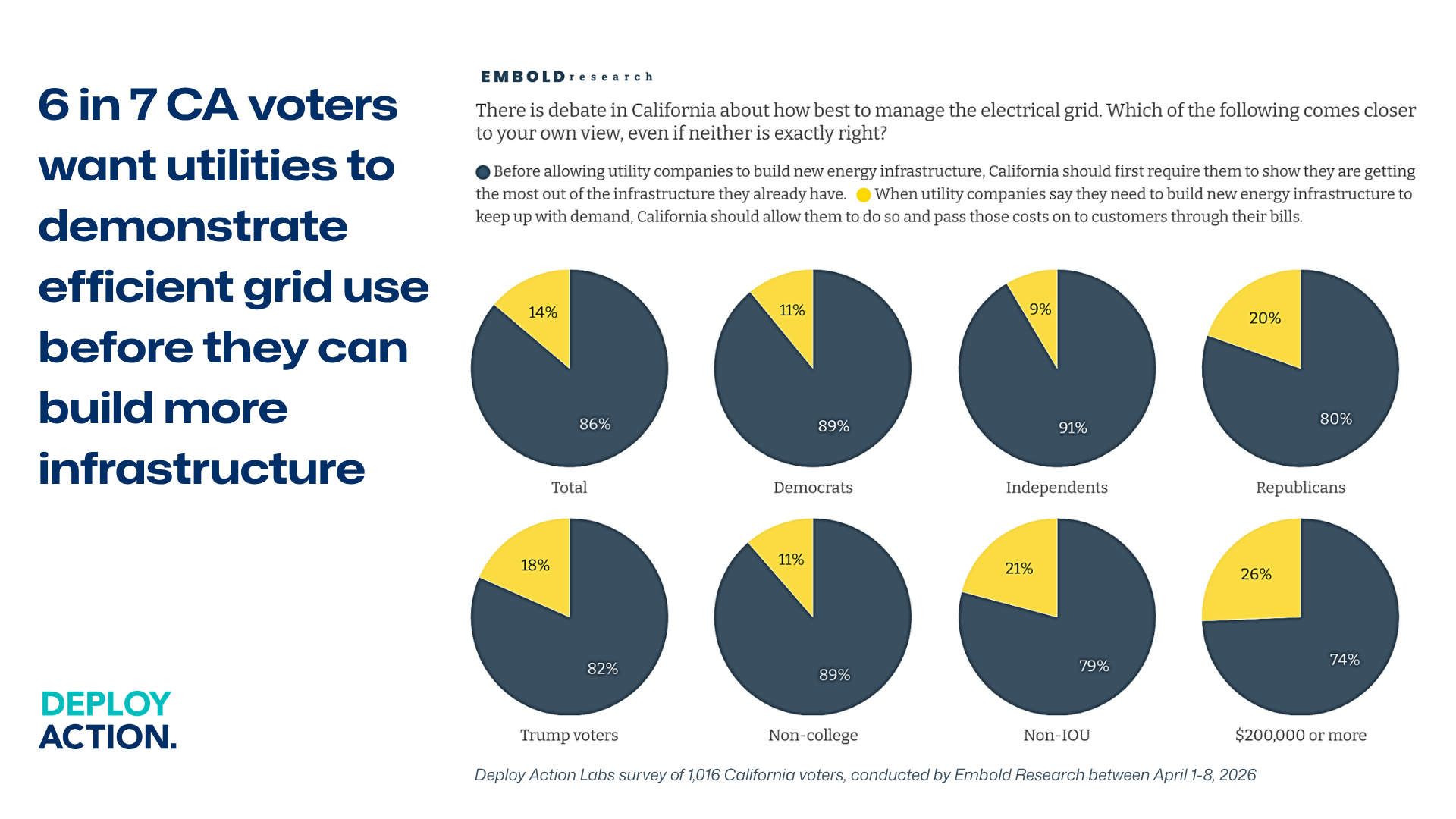
Voters want utilities to use the grid better before spending more. Six in seven voters (86%) support requiring utilities to show they are making efficient use of the existing grid before building new infrastructure and passing those costs on to customers.
Voters want stronger utility accountability. Six in seven voters (86%)support tying utility executive pay to customer bill affordability, while nearly three in four support reducing investor-owned utilities’ guaranteed profit levels.
Voters distrust California’s utility regulators, not just utilities. Most voters have heard little to nothing about the CPUC, and once informed about its role overseeing utility rates and spending, voters are four times more likely to view the agency unfavorably than favorably. Just 11% view the CPUC favorably.
Voters want more local energy competition. Eight in ten voters (80%) support allowing local energy resources, such as batteries, solar, virtual power plants, demand response, and smart devices, to sell power and compete with utilities. Three in four (75%) support neighborhood battery storage.
Legislative solutions are on the table right now
The poll points to four areas where voters are asking lawmakers to act. The California Electricity Affordability Pathway addresses each through bills active this session – turning voter frustration into practical policy.
1. Bills are too high. Voters want affordability to be a top priority
California voters are asking for action on electricity costs. This package gives lawmakers a practical path to lower bills and improve accountability.
SB 905 (Becker): Electricity cost savings and utility accountability. Strengthens oversight of utility spending, ties a portion of investor-owned utilities’ executive compensation to keeping bill increases below inflation, and authorizes alternative financing approaches to shift certain costs off the bill.
2. Utility profits are too high. Voters want them to be held accountable
Ratepayers should not be financing a blank check. Utilities asking more from customers should have to show more discipline, more transparency, and better results.
SB 905 (Becker): Reduces authorized return on equity for lower-risk utility investments and adds new auditing of utility forecasts versus actuals.
AB 2493 (Petrie-Norris): Requires independent third-party audits of transmission and interconnection projects, with a 90-day California Public Utilities Commission (CPUC) remedial action window.
3. Voters want utilities to use the grid we already paid for before building more
Before charging families to build more, utilities should prove they are using the grid Californians already paid for.
SB 905 (Becker): Establishes public grid utilization data requirements, including capacity utilization, off-peak load-hosting capacity, and constrained area location data, integrated into distribution planning.
SB 1295 (Stern): Requires utilities to evaluate distributed storage and nonwire alternatives before infrastructure rate recovery; preserves third-party participation.
4. Voters want lower-cost local energy resources to compete.
Lower cost customer-sided batteries, local solar, storage, and other distributed resources should be allowed to compete with large-scale energy resources. Reliability and affordability go hand in hand when California uses flexible customer-side resources and storage instead of defaulting to more expensive alternatives.
Demand Side Grid Support (DSGS) Budget and Trailer Bill (Irwin / Becker): Preserves the DSGS program at $75M and extends related authorities through 2029-2030.
SB 913 (Becker): Directs the CPUC to allow aggregated DERs to be fully valued in Resource Adequacy and to compete in CAISO markets.
AB 1813 (Ward): Modifies or replaces the CPUC community renewable energy program with a 51% low-income subscriber requirement and avoided-cost-based bill credits.
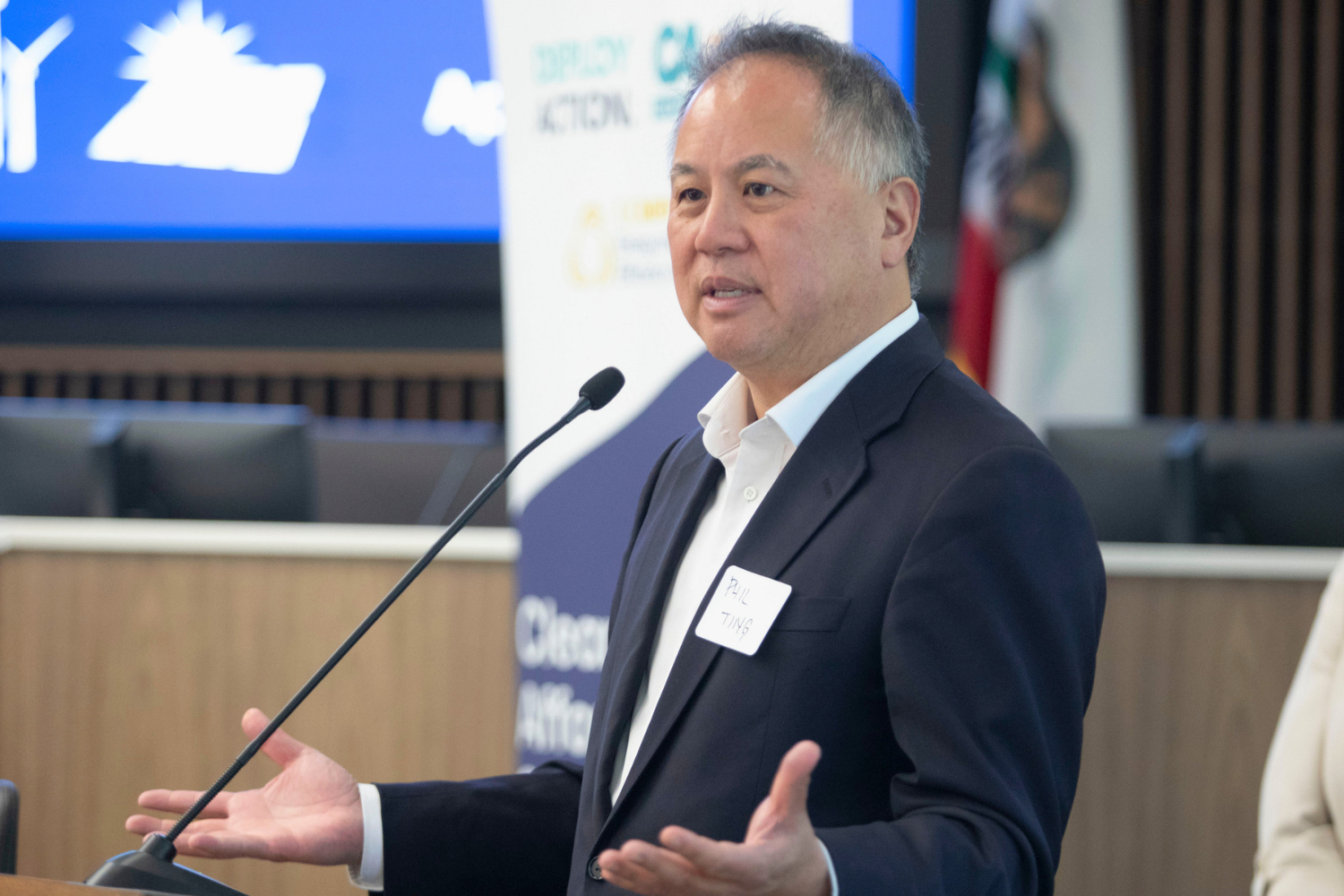
“It is rare in today’s political climate to see voters from both parties come together so clearly around a set of energy solutions. The California Electricity Affordability Pathway gives legislators a practical opportunity to respond to what voters are asking for: lower bills, stronger accountability, and a more efficient grid.”
Phil Ting
Former California Assemblymember and co-founder of Deploy Action
The path ahead is straightforward
Electricity affordability has become a defining concern for California voters across political party, age, income, and utility regions. They’re tired of rising bills and finger-pointing.
The path forward? Use the grid better, hold utilities accountable for cost control, and let lower-cost local energy resources compete. Ratepayers are clear: if utilities and regulators want to rebuild their trust, this is where they should start.
The California Electricity Affordability Pathway would deliver on what voters are asking for and put an end to the status quo. It would ensure more accountability, make better use of the grid families and businesses already pay for, scale lower-cost storage and demand-side resources, and give local energy solutions a fair chance to compete. Legislators must act decisively and deliver a reliable, affordable grid.
Methodology
On behalf of Deploy Action Labs, Embold Research surveyed 1,016 registered voters in California about their experiences and views on electricity costs, and their opinions on policy options to improve electricity affordability.
Survey n=1,016 California voters, from April 1-8, 2026.
Respondents were recruited via dynamic online sampling and text-to-web to obtain a sample reflective of the population.
Post-stratification weighting was performed on age, gender, education, race/ethnicity, region, and 2024 vote choice using targets from the voter file and CA Secretary of State.
The modeled margin of error is 3.2%.