What Is the Future of Grid Utilization and Energy Affordability in Virginia?
High-Level Takeaways from Our Stakeholder Implementation Workshop in Virginia
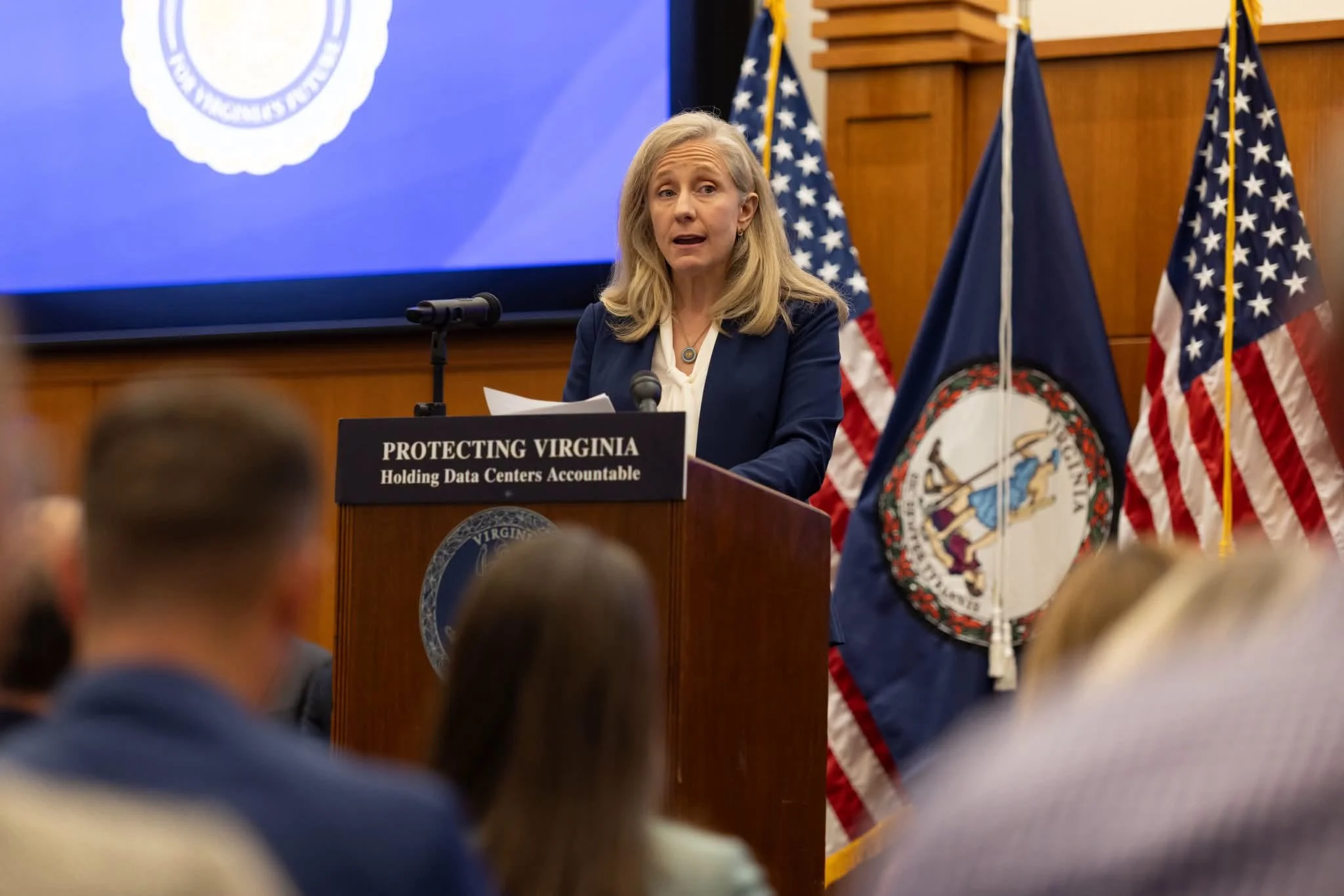
Deploy Action Labs (our 501(c)(3) sister organization) and the Nicholas Institute for Energy, Environment & Sustainability at Duke University convened more than three dozen stakeholders for a working session on implementing Virginia’s new grid utilization law (HB 434 / SB 621).
The people in the room in Richmond represented a broad range of interests, including industry and clean-energy technology providers, trade associations, nonprofit and environmental advocates, ratepayer advocates, analytical and research organizations, labor, and utilities. Additionally, staff from several legislator offices, legislative commissions, the utility commission, and executive branch entities were present. FollowingVirginia’s recently enacted grid utilization legislation, the regulatory proceeding formally starts with Dominion and Appalachian Power’s petition of grid utilization metrics by October 15, 2026.
Scope of the Workshop
Opening remarks framed the core justification for the legislation: Measuring and tracking Virginia's grid utilization will ensure better use of existing infrastructure before committing ratepayers to paying for new build. A key theme was addressing energy affordability, as well as utilities’ capital-driven earnings structure–which incentivizes building new infrastructure over optimization of existing transmission and distribution assets. The discussion also touched on the value of giving the Commission data-driven input early so it is reflected in how the law is implemented.
The session started building an outline for a shared understanding of grid utilization, with expert and stakeholder presentations that laid out the evidence and the current legislative and regulatory landscape, including:
Modeling and analysis showing that improved utilization can accommodate new load while putting downward pressure on rates.
A framework for thinking about utilization within existing regulatory structures, such as ensuring current regulatory structures are set up to increase the value ratepayers receive from the system, identifying whether those structures support or discourage grid utilization, and establishing how performance is measured and communicated.
An overview of what HB 434 / SB 621 requires, including the utilities’ initial metrics filing due in mid-October and the Commission’s review process.
Regulator perspectives on grid utilization in an opening fireside chat highlighted the need to meet the grid needs of a growing economy, to align utility and ratepayer incentives when making new capital investments in infrastructure, and to better utilize the existing grid (see note 1 below). Utility perspectives added detail to the conversation on practical engineering limits of the grid, rapid load growth, a snapshot of Virginia’s current utilization (including at peak), and the need for reliability.

High-Level Takeaways
Stakeholders highlighted several common themes, recommendations, and questions:
No single metric tells the whole story
Participants broadly agreed the proceeding should look beyond peak reliability to also include system-wide, year-round performance. It should also consider metrics to assess system throughput, affordability, reliability, and economic development impacts on the grid. Participants indicated these should be viewed across operating hours, not just at peak, and should account for seasonal variation and demands on the grid (e.g. both winter “peak” and more mild months).
Metrics should capture demand flexibility and customer-sided resources
There was strong interest in measuring how energy efficiency, virtual power plants, non-wires alternatives, rooftop solar and storage, demand response, or other technologies and models could be mapped, forecasted, or incentivized to expand hosting capacity or create capacity “headroom.”
Utilization targets should be dynamic, not a single fixed number
The discussion also covered how flexible the grid utilization metrics should be; for example, as with reliability standards, should the Commission consider flexible measures that account for different, specific conditions like emergency and outage scenarios? What is the “right” level of utilization that preserves the operating margin needed for weather and contingencies, recognizing that optimal utilization is currently undefined?
Data granularity (e.g. how big or small to go) should be addressed directly
Meaningful metrics may depend on more granular, time-based, and locational data, like the gap between delivered and potential capacity, where load growth is spiking on the distribution system, and the condition of parts of the system (e.g. constraints, aging infrastructure, line losses, and conductor efficiency). At the same time, too much granularity could inundate regulators with data, and too little specificity could fail to achieve the legislation’s desired results. Striking the right balance would be critical.
Stakeholders expressed concern that systemwide assessments may be unmanageable
Grid utilization is a powerful and meaningful change to how stakeholders and regulators currently review and interact with utility system planning, cost recovery, and regulation. Metrics, program treatments, and incentives that seek to change or improve grid utilization are novel and may have unintended consequences. Quantifiable criteria such as distribution data, utilization levels, load profiles, demographics, andcustomer characteristics should be weighed and grid utilization approaches may benefit from “test areas” where gridwide impacts are limited. These “test areas” could also include demographic considerations and population density, recognizing the broad variability between rural, suburban, and urban regions.
Regulators should be clear about what they are solving for:
Participants flagged the need to define the objective up front: kWh throughput, underused feeders and substations, locational value, distributed solutions that increase utilization in a given area, or a combination of these. Participants voiced interest in ensuring coordination with and avoiding duplication of other proceedings or statutory requirements (e.g. energy storage or Distributed Energy Resources Task Force statutory requirements).
Targeted questions ahead of the October filing could sharpen the proceeding:
Posing specific requests to the State Corporation Commission (SCC) in advance of the formal proceeding, including in the areas above, could aid with implementation and accelerate the design and adoption of actions that will improve utilization and produce nearer-term bill savings.
Next Steps
Deploy Action Labs looks forward to working with workshop attendees and other stakeholders to stay engaged on these questions and to keep gathering input that can lay the groundwork for implementing this first-in-the-nation law ahead of the formal regulatory proceeding.
Note 1: Consistent with ex parte limitations, no commissioners of the State Corporation Commission participated in the facilitated stakeholder discussion touching on official proceedings.
Read More