Inside the Room: Three Key Takeaways from the Clean Energy Affordability Summit
The challenge ahead is clear: building a clean power grid that is as reliable and affordable as it is ambitious.
High utility bills are hitting Californians hard, and the current system just isn't cutting it. We need a real plan to make clean energy affordable, reliable, and available to everyone across the Golden State.
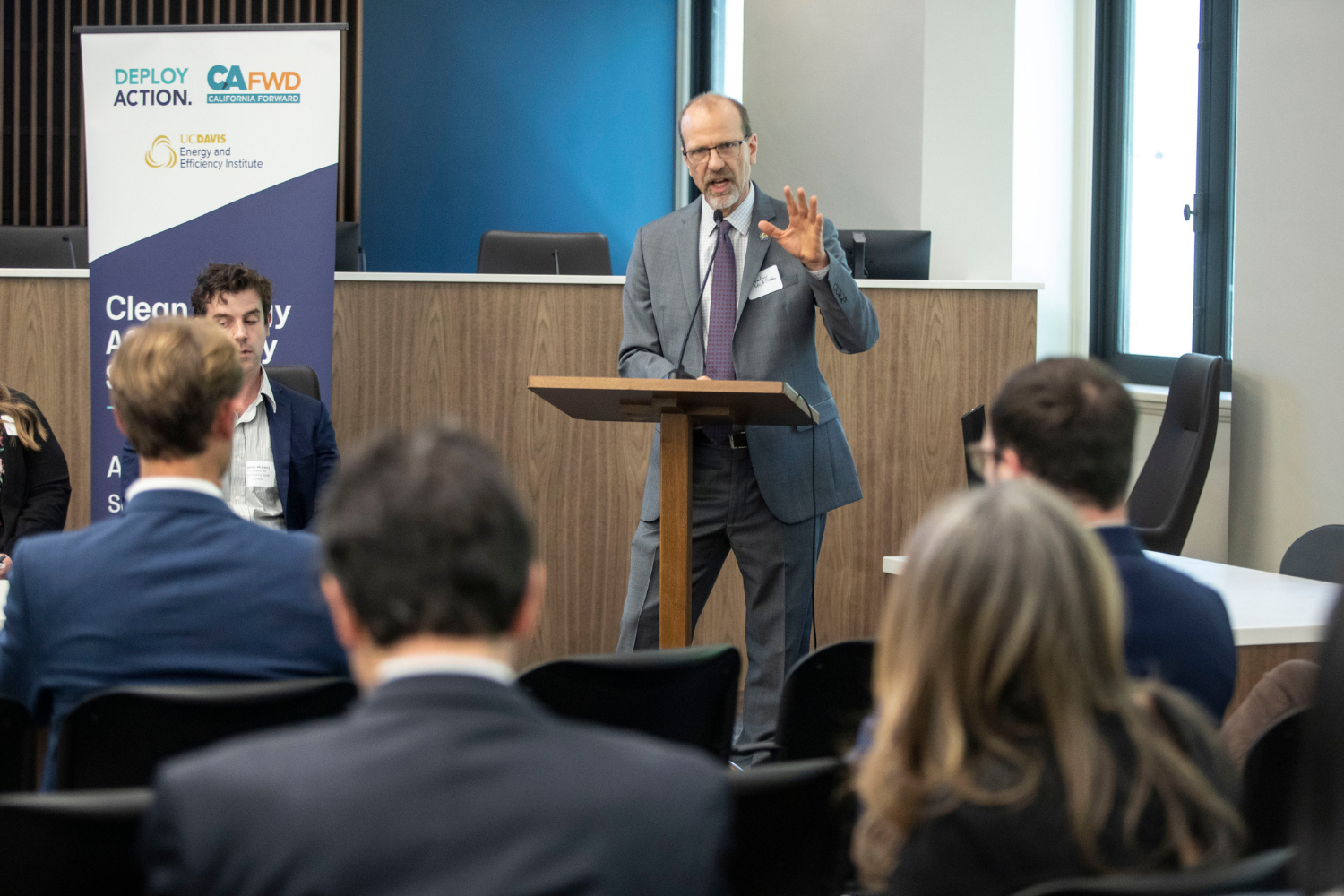
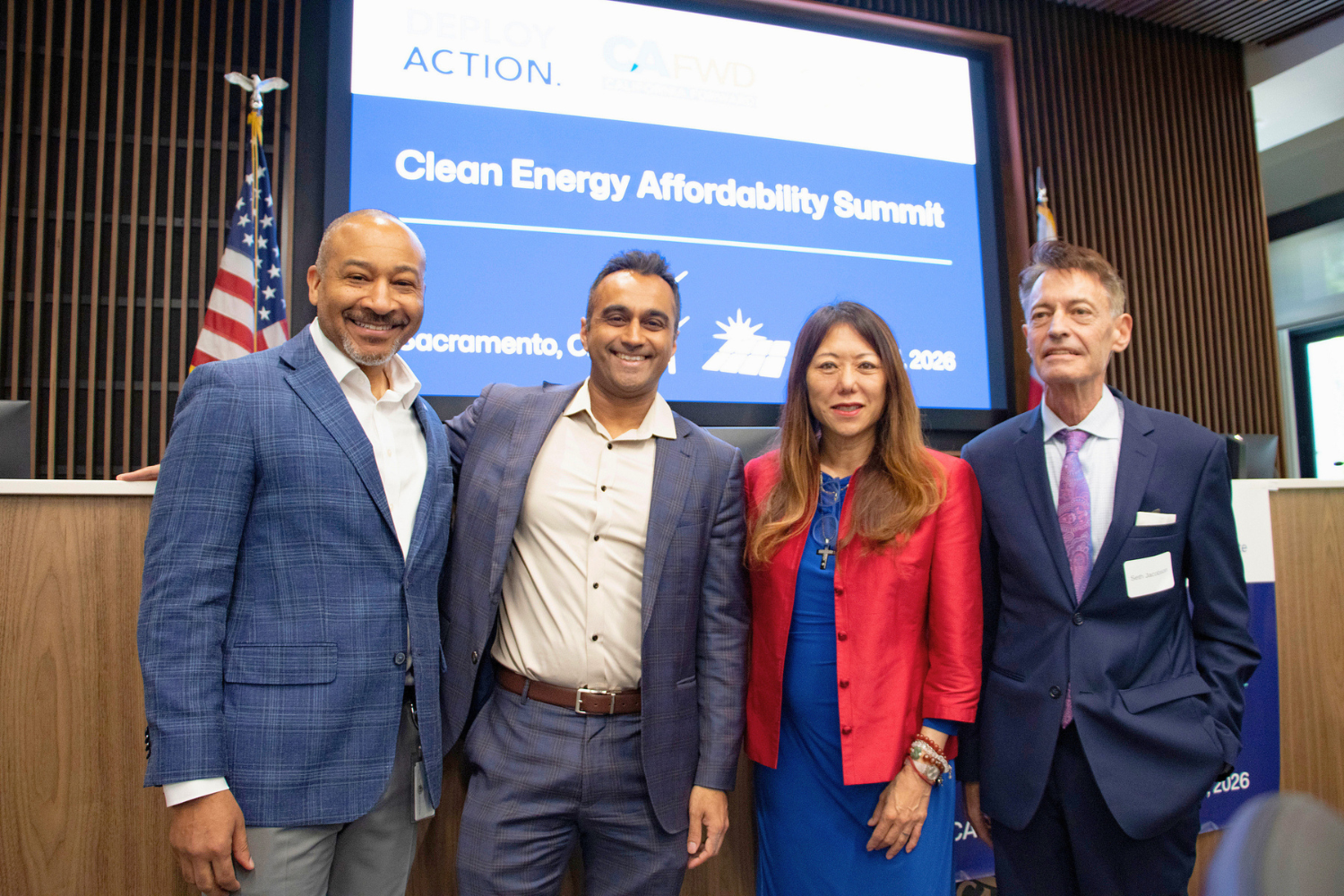
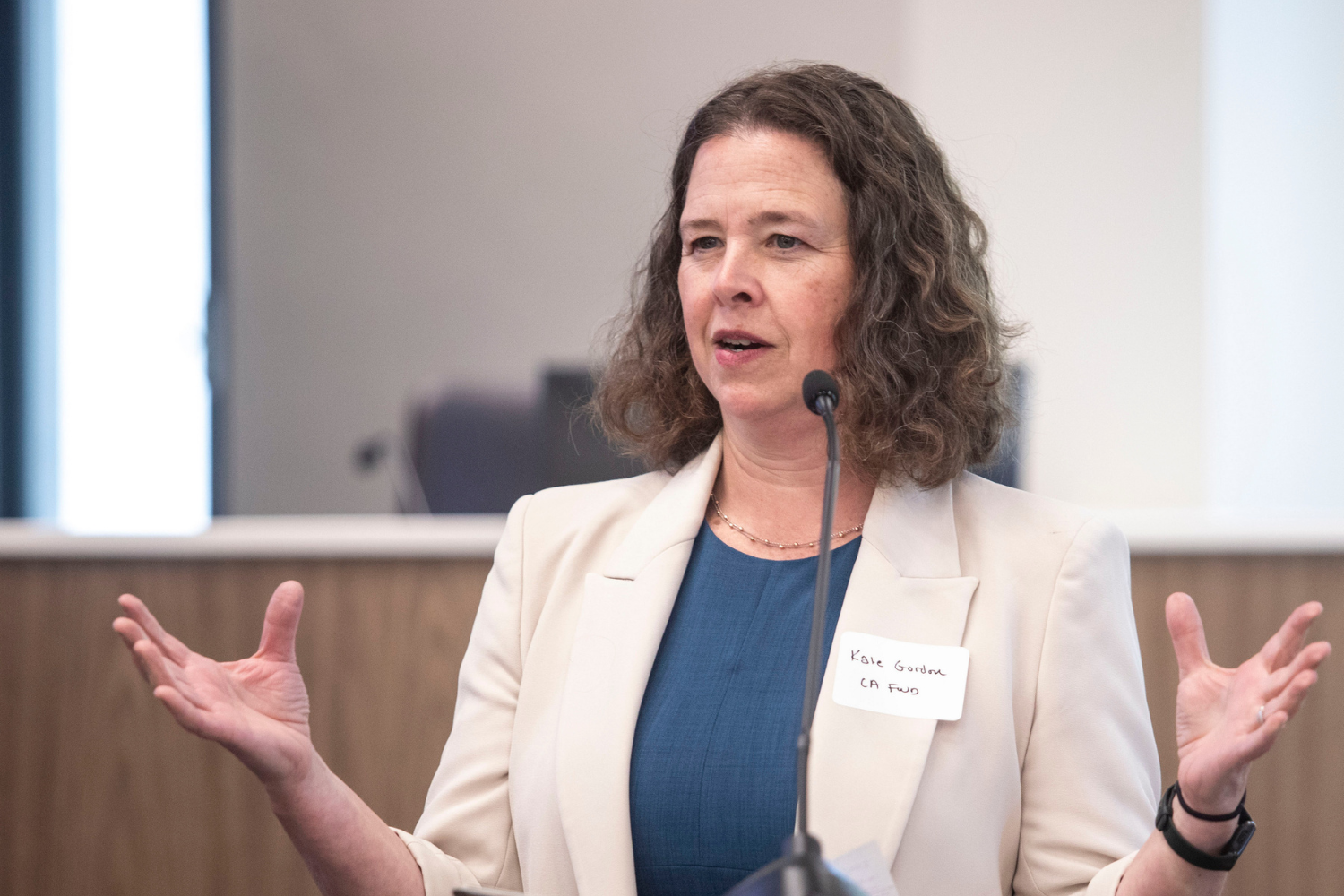
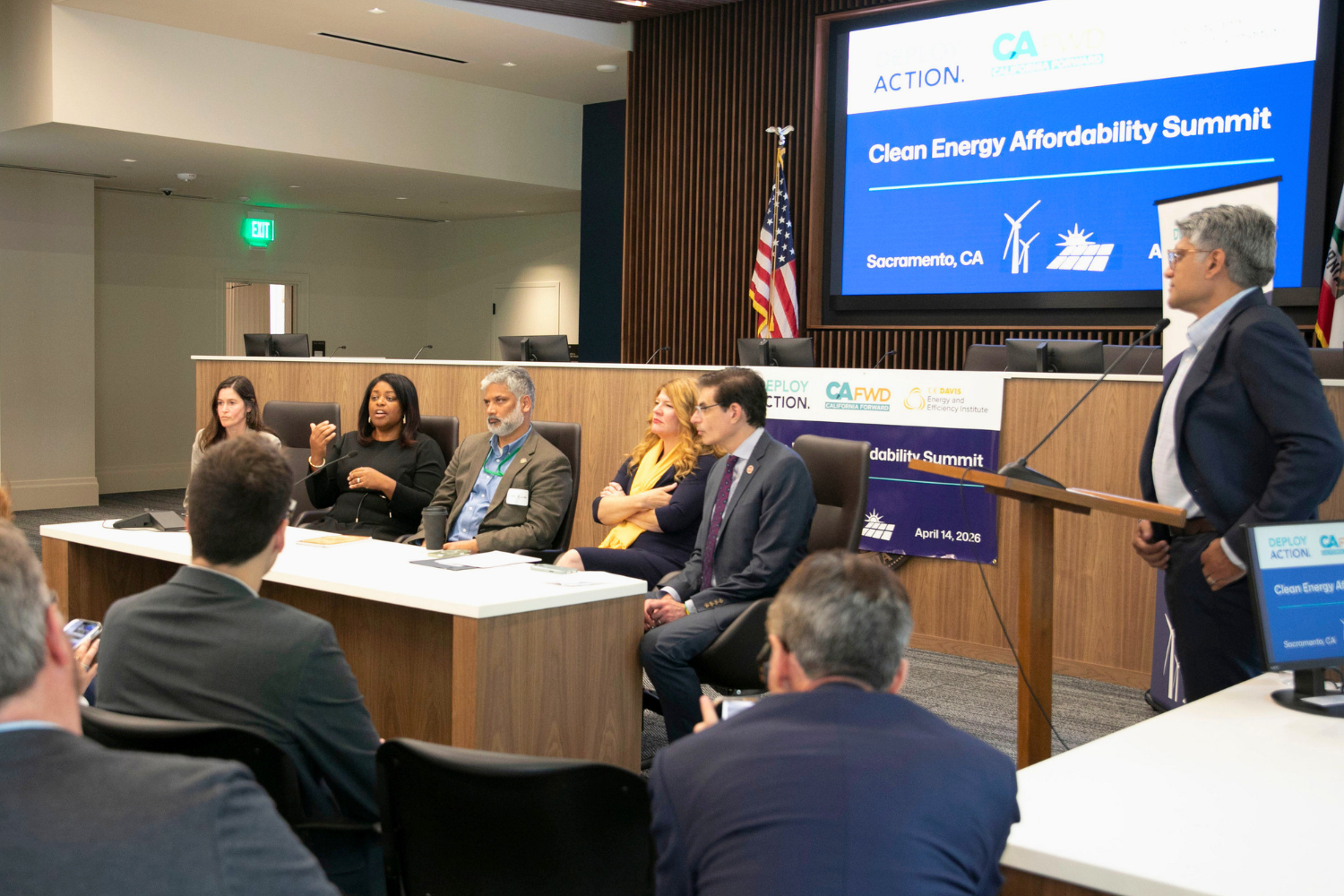
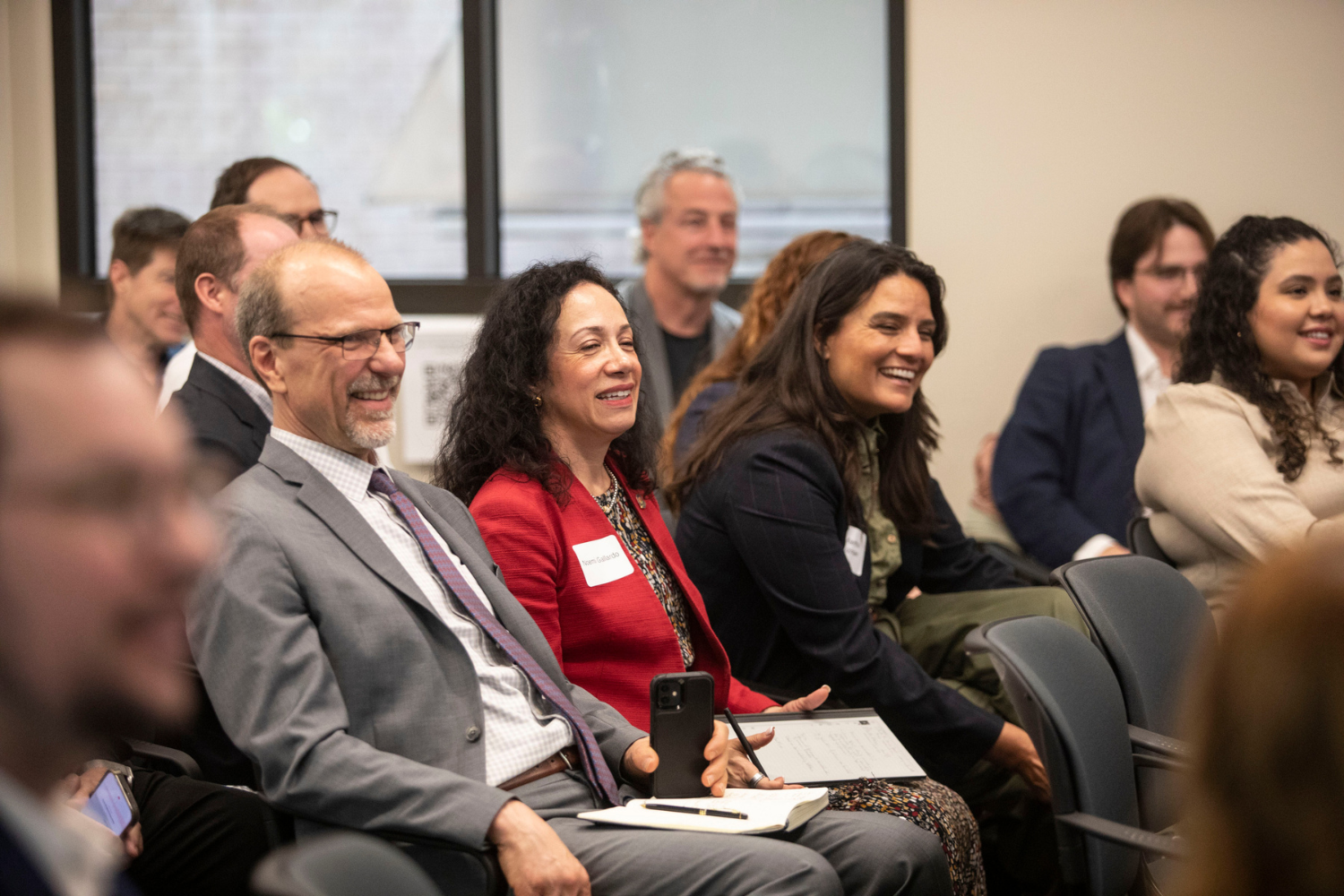
Earlier this month, we took this challenge head-on in Sacramento at the inaugural 2026 Clean Energy Affordability Summit alongside our co-hosts California Forward and the UC Davis Energy and Efficiency Institute. It was a day of robust, unfiltered discussion between legislators, advocates, and industry leaders on solutions to bring down costs and deploy clean energy at scale in California.
There’s no way to summarize so many vital conversations at this half-day policy convening, but here’s a glimpse inside the room, with three key takeaways we’re still thinking about:
1. Grid utilization is a powerful tool for bringing down electricity costs
Affordability is now the grid’s defining political issue. Across the country, families saw their electricity bills jump roughly 25 percent between 2018 and 2024. And the situation in California is particularly acute, with bills going up over 40 percent between 2022 and 2025.
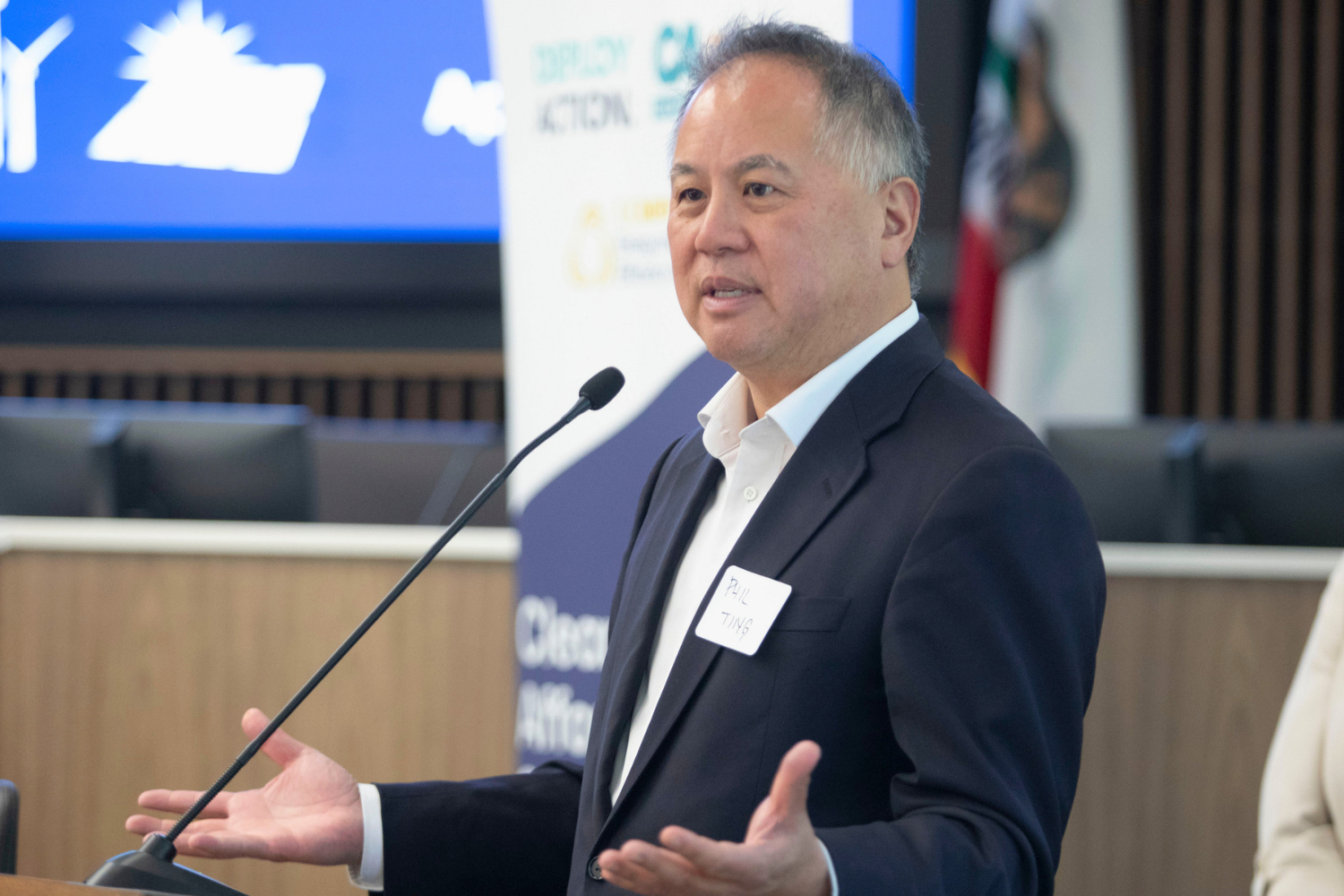
Many panelists and attendees agreed that grid utilization is a key strategy for achieving affordable, clean energy. In California–and in states across the nation–we must make better use of our existing grid while leveraging proven, existing technologies to reduce costs and improve efficiency, said Deploy Action founding director and former California assemblymember Phil Ting.
“On any given day, we have energy infrastructure that isn’t being fully utilized. So the question is: how do we incentivize providers to be more efficient? How do we encourage them to lower costs? And how do we make better use of what we already have?” said Ting.
It’s time for governors and state leaders to prioritize grid utilization, making the grid work harder and smarter, not just building bigger. That’s why Deploy Action is supporting SB 905, authored by Sen. Josh Becker (who we were glad to have at the summit), which focuses on electricity cost savings, grid utilization, and utility accountability as part of our California Electricity Affordability Pathway.
Because, as our executive director Arnab Pal said, “California families and businesses are paying too much for electricity, and the status quo is not delivering the affordability ratepayers deserve.”
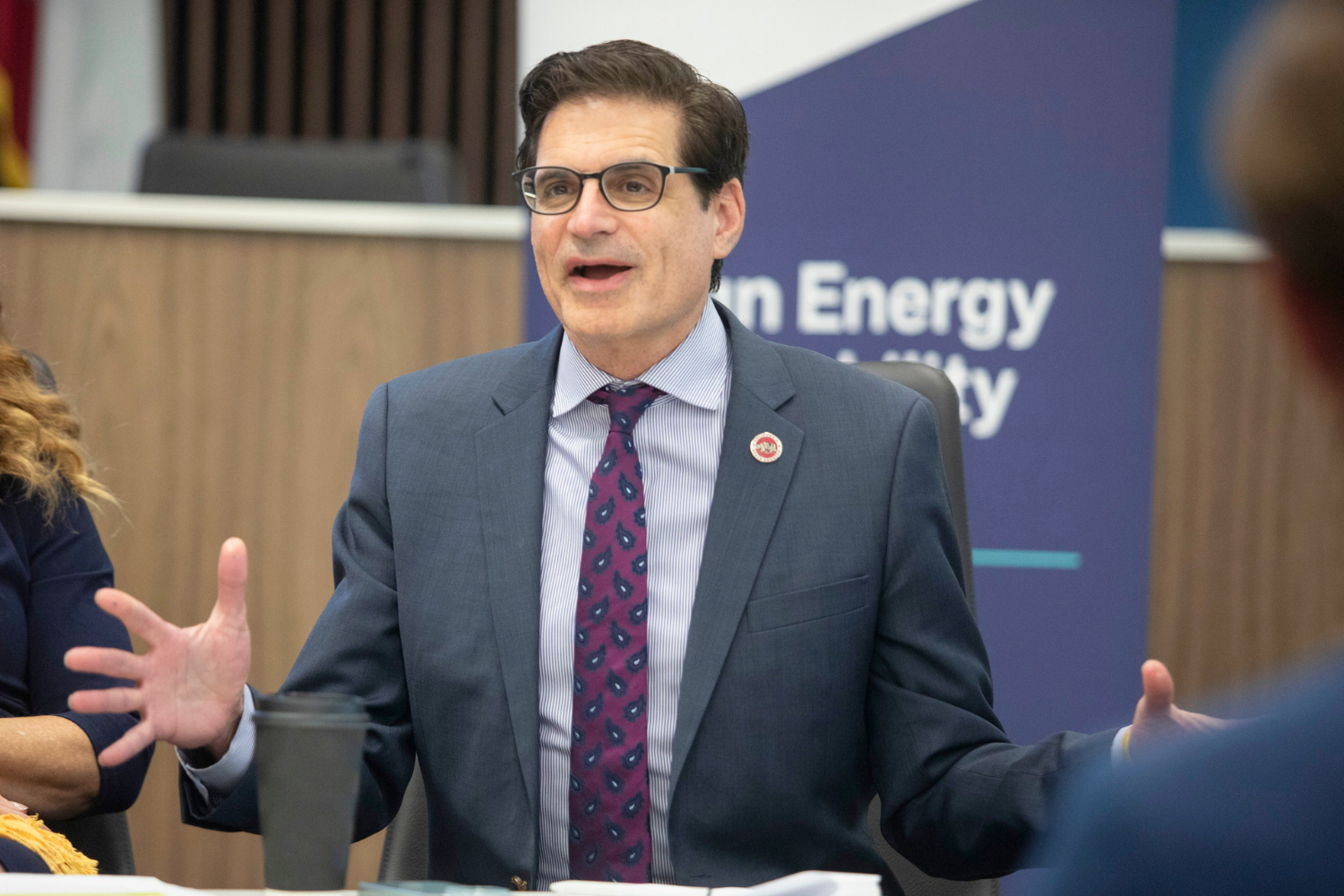
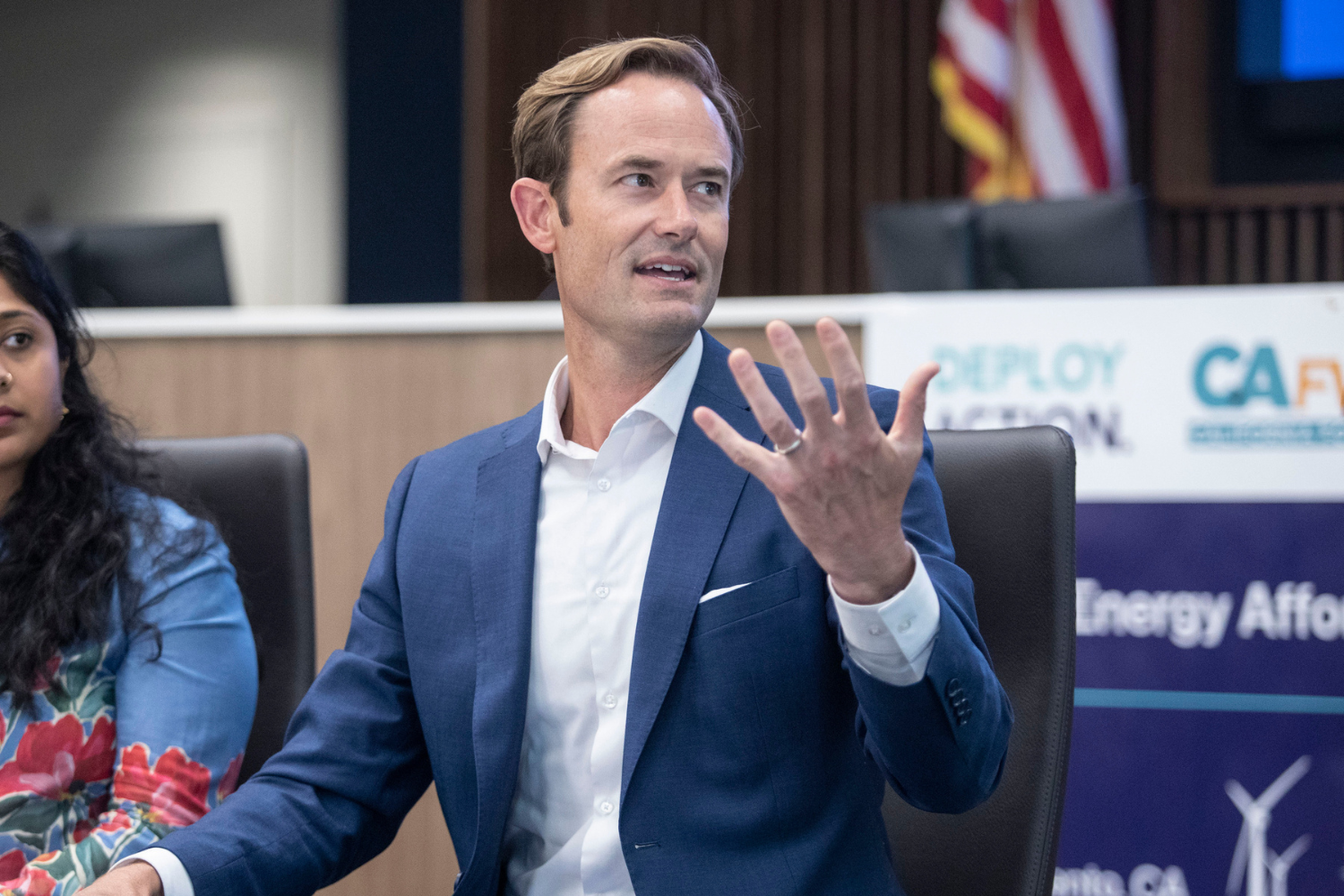
Sen. Josh Becker at the Clean Energy Affordability Summit. Deploy Action is supporting SB 905, authored by Sen. Becker, which focuses on electricity cost savings, grid utilization, and utility accountability.
2. We need to better communicate the strong links between clean energy and affordability
California’s leadership must demonstrate that the clean energy transition delivers tangible benefits for working families, including lower bills and access to high-quality jobs.
We need to “root our strategy in communicating the opportunities tied to this transition. That means not scolding people about emissions or making them feel lesser-than, but instead engaging directly with communities across the state—in the Central Valley, along the coast, and in the Inland Empire—where people share real concerns, but also real hopes for building a better economy and creating good jobs,” said Priyanka Mohanty, executive director of the UAW Center for Manufacturing a Green Economy (CMGE).
High utility bills are becoming a top concern for voters. We can win the politics of climate by clearly showing how a successful clean energy transition (including both supply- and demand-side solutions) supports working families and lowers costs.
This legislative session, Deploy Action is supporting SB 1295 (authored by Sen. Henry Stern) and the Demand Side Grid Support (DSGS) budget and trailer bill effort (sponsored by Assemblymember Jacqui Irwin). Both are vital, commonsense measures to make the grid more reliable and efficient, bringing down costs for families and businesses.
SB 1295 integrates storage into long-term planning, reforms procurement for distributed storage, deploys storage to reduce congestion, and uses storage to defer costly grid upgrades.
The DSGS budget and trailer bill preserves the proven demand-side reliability program, uses customer devices and flexible load to support the grid, and avoids higher-cost emergency reliability options.
We were glad to have both Sen. Stern and Asm. Irwin at the summit to discuss clean energy, affordability, and system-level solutions.
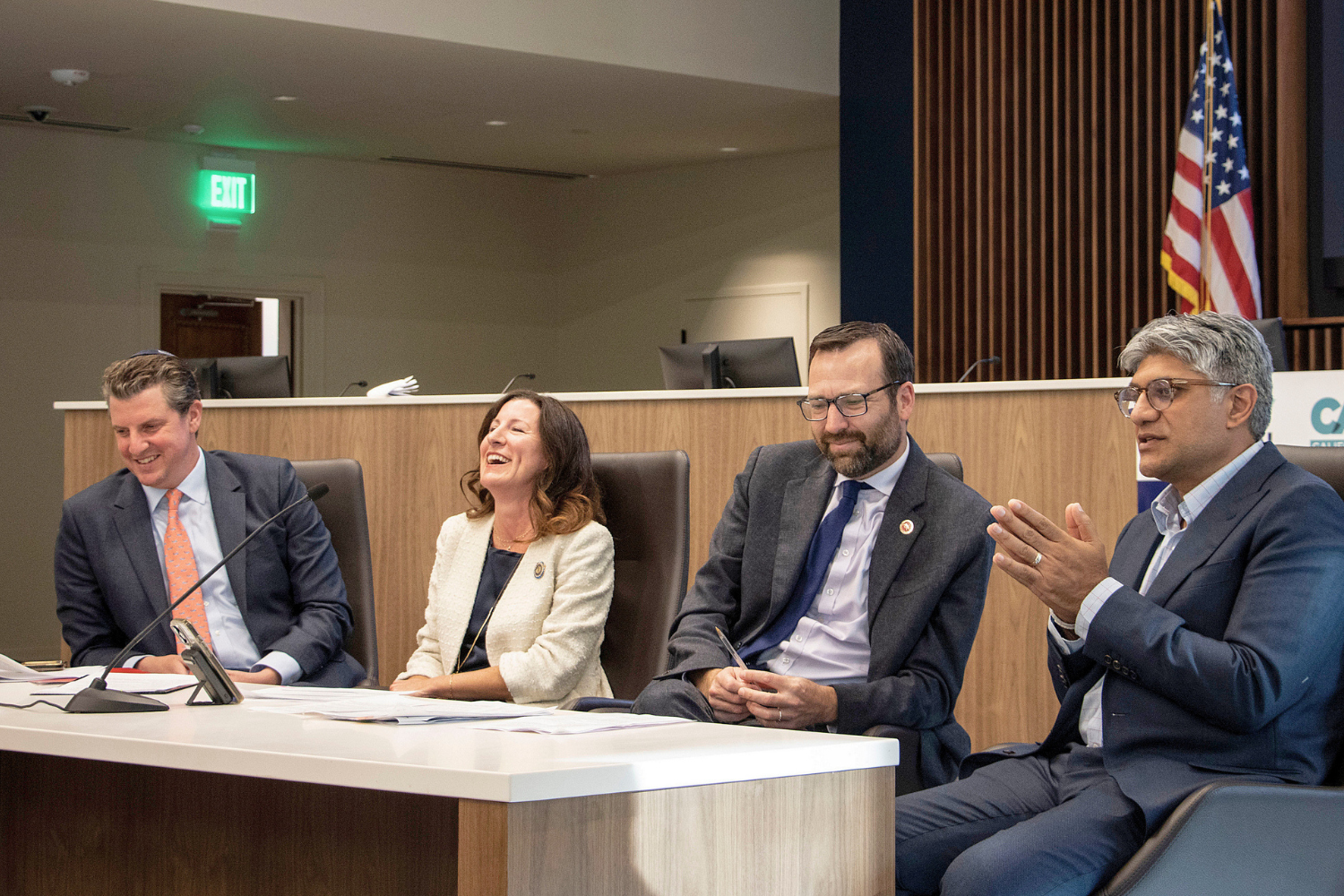
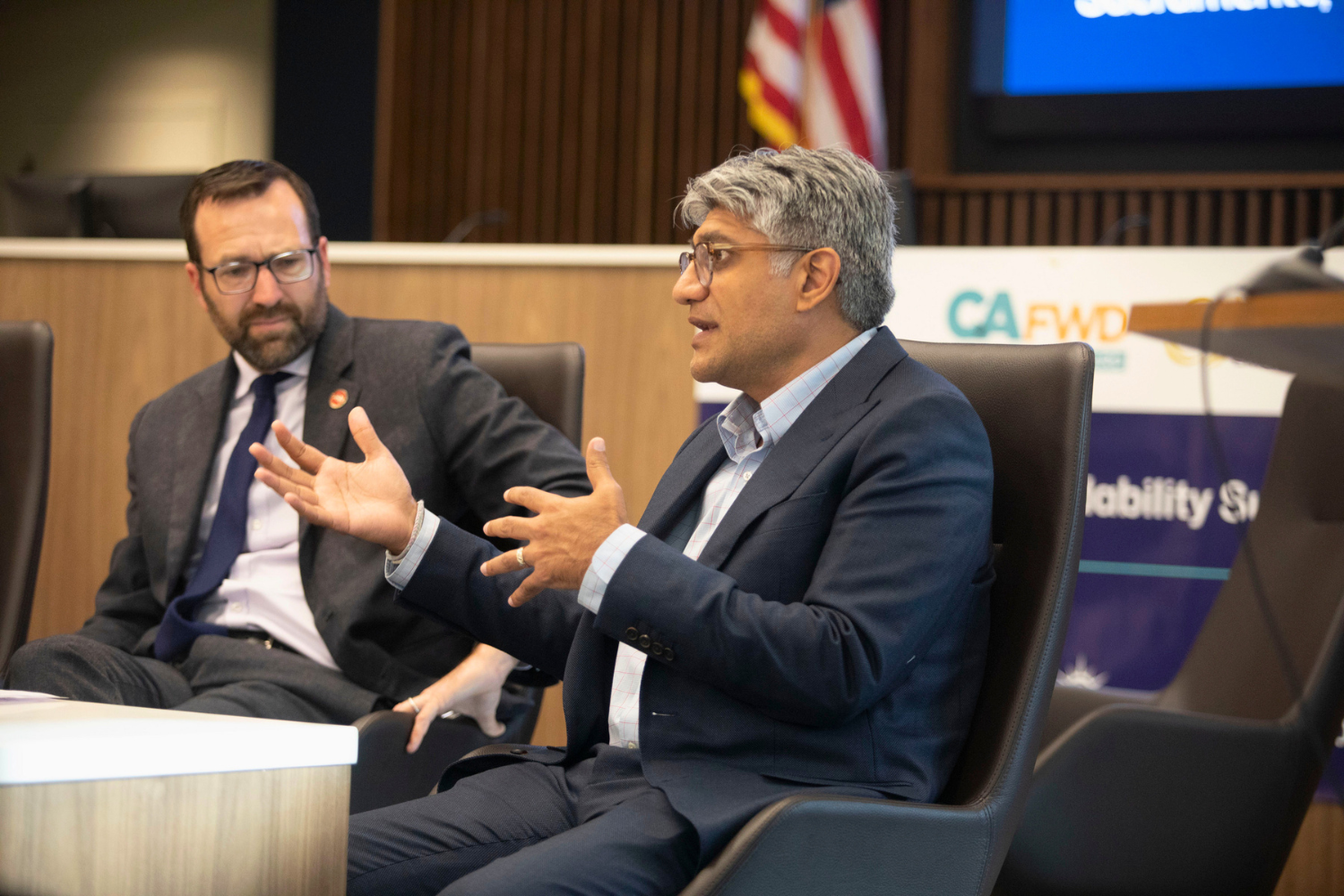
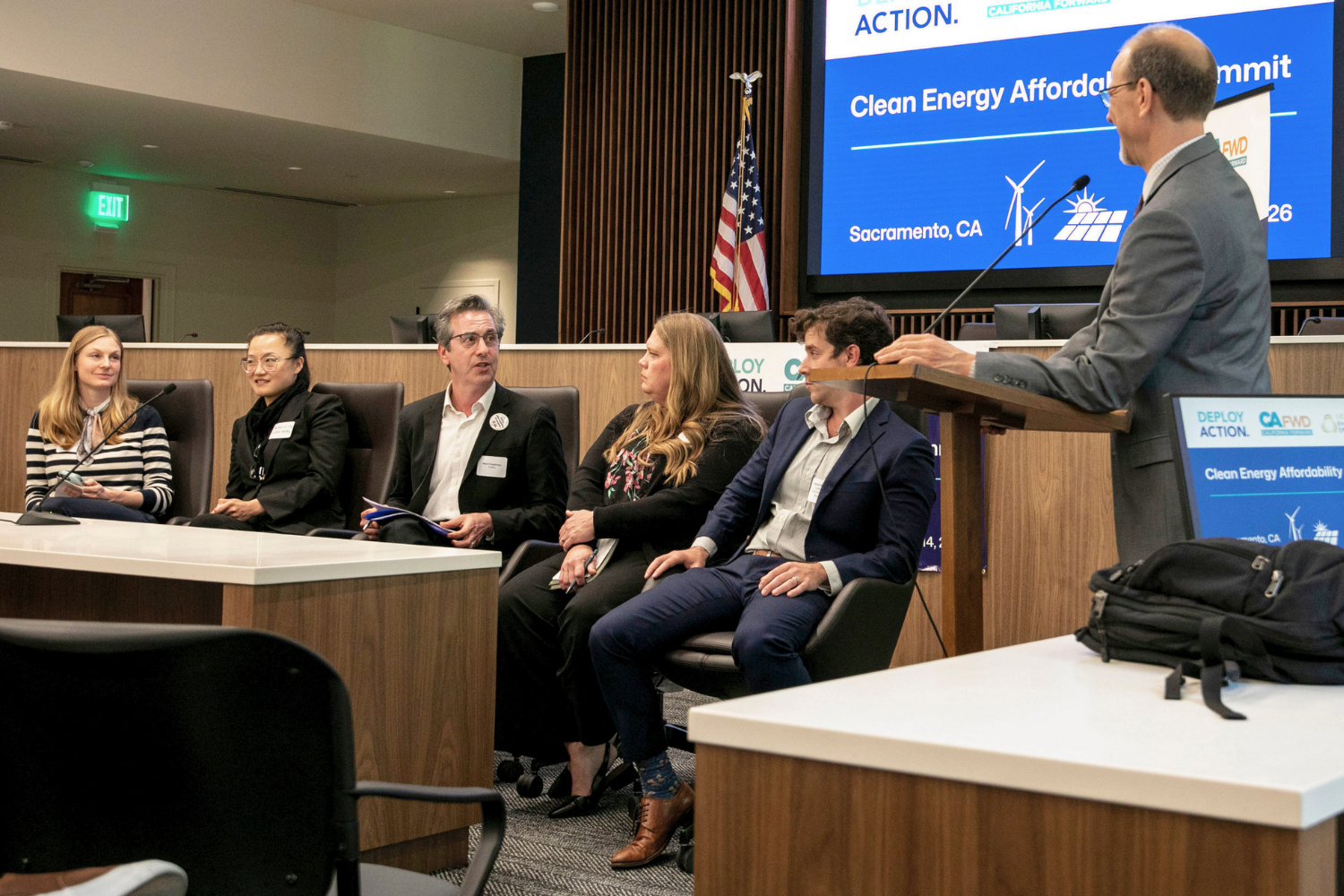
From left to right: Senator Henry Stern, Assemblymember Cottie Petrie-Norris, Senator Ben Allen, and Jigar Shah (former Director, U.S. DOE Loan Programs Office). This discussion took broader look at how both supply- and demand-side solutions can contribute to improving energy affordability, focusing on the implementation of pathways and near-term opportunities.
3. It’s time to pursue unconventional and innovative ideas, instead of relying on the same old playbook for the grid
With limited federal support for expanding renewables and deploying advanced grid technologies, California must embrace creative financing tactics that support public-sector leadership in the transition.
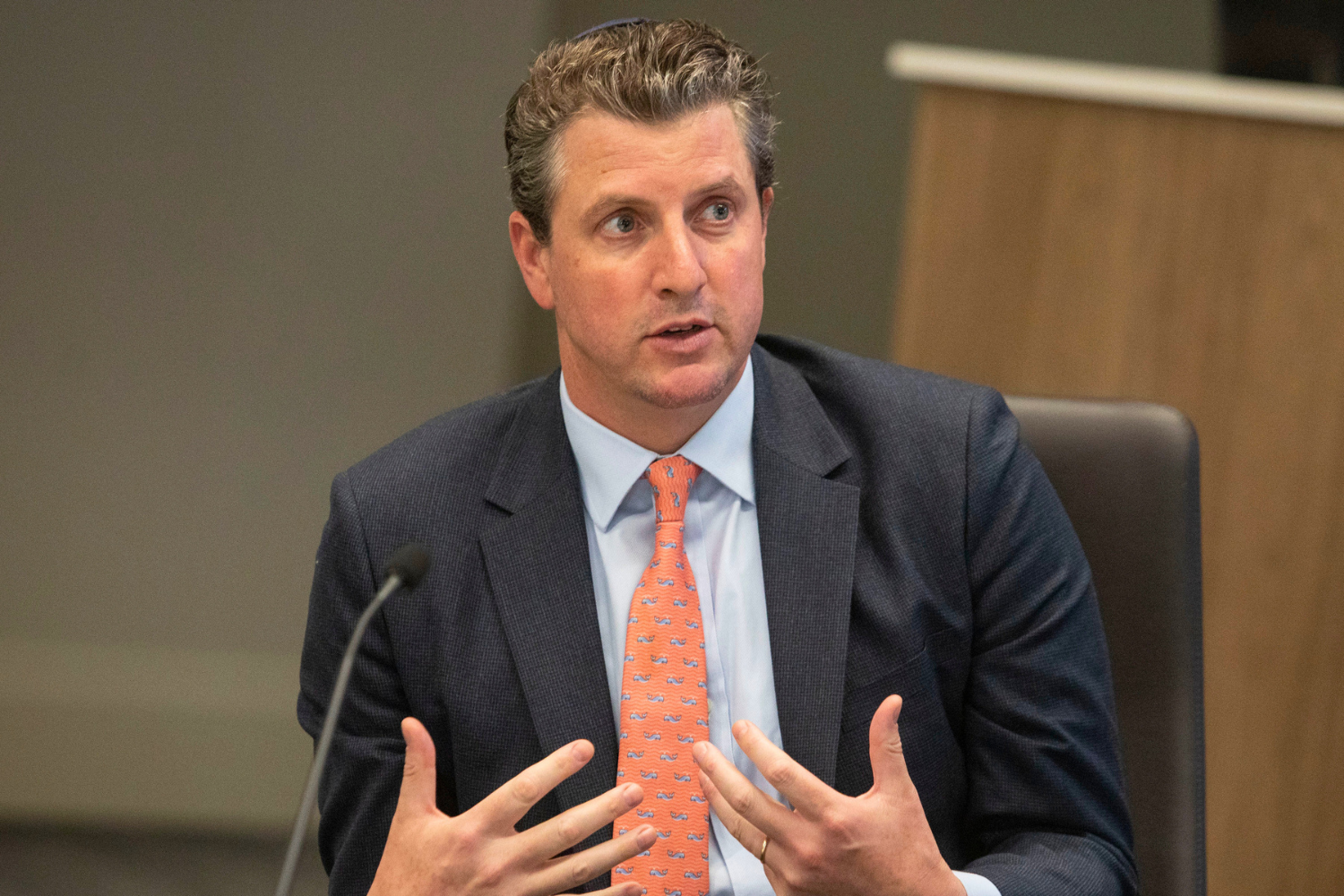
“Government plays a critical role in signaling to capital markets where the opportunities are and what its priorities are. But it also has to go further—ensuring the private sector knows it will help underwrite some of the risk, whether as a customer, an investor, or, in some cases, a partner in research and development,” said John Keisler, CEO of Sunstone Cities.
Strategic public-private partnerships can unlock faster infrastructure upgrades, accelerate the transition to a cleaner economy, and support local workforce development.
At the same time, the rapid growth of data centers is putting increasing pressure on energy capacity and pricing. Scaling infrastructure investment alongside improvements in grid utilization will be essential to meeting rising demand.
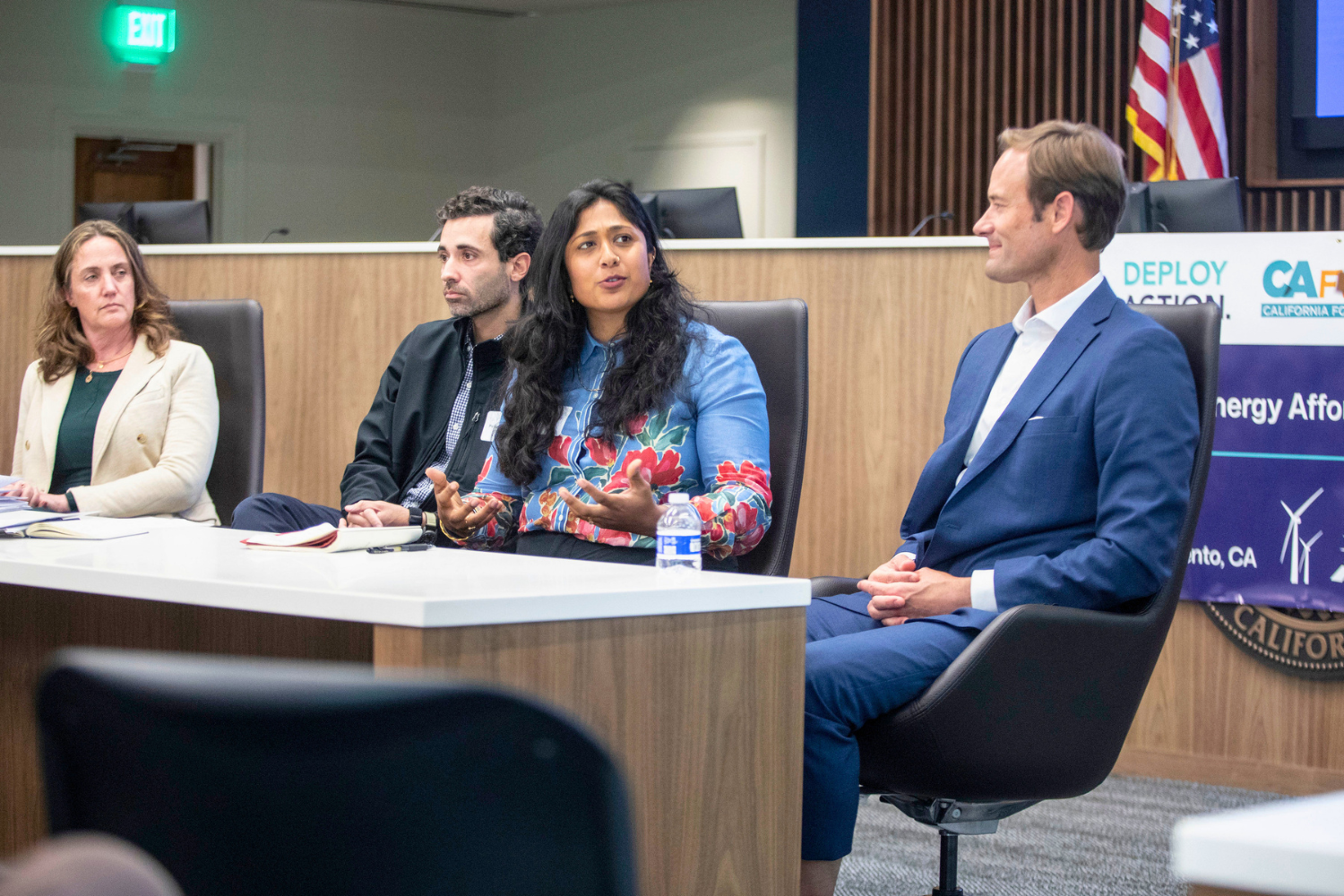
From left to right: Betony Jones (UC Berkeley Labor Center), Daniel Payares-Montoya (PPIC), Priyanka Mohanty (UAW-CMGE), and John Keisler (Sunstone). This panel dove into economic transition amid global volatility.
Leading the charge for an affordable, clean energy future
Do you want to know about high-impact events that are shaping the clean energy future? Join our email list today to be the first to know about upcoming events featuring leaders, legislators, and advocates who are actually building a clean energy future.
As Julia Pyper (vice president of public affairs at GoodLeap and host of the Political Climate podcast) noted after the summit, “[This was] such an important event. Frankly a wake up call on a few fronts. Thank you for bringing us together, Deploy Action.”
An enormous thank you to everyone who attended, our speakers, and especially our co-hosts California Forward and the UC Davis Energy and Efficiency Institute.
More Photos from the Summit